
The concept of “home” is often synonymous with sanctuary, but that feeling of peace is rarely a permanent state. It is a dynamic quality that requires consistent cultivation. Over time, the structural components that keep us warm, dry, and safe begin to weather. A drafty window, a leaking pipe, or an outdated kitchen layout can slowly erode the sense of comfort we once took for granted. Restoring a home is not merely about aesthetic vanity; it is about reclaiming the functionality and serenity of your living space.
To truly restore comfort, one must look at the home as an interconnected system. From the roof that sheds the rain to the filtration systems that provide clean water, every element plays a role in your daily well-being. This guide explores the essential repairs, strategic replacements, and thoughtful renovations necessary to transform a house back into a high-functioning home.
The Essential Shield: Maintaining the Exterior Envelope

The first line of defense against the outside world is your home’s exterior. When the exterior is compromised, the interior environment suffers immediately. Energy bills climb as conditioned air escapes, and moisture begins to find its way into the walls, leading to hidden damage.
Restoring comfort starts with a meticulous inspection of your entry points and glass surfaces. Glass is more than just a view; it is a thermal barrier. If you notice fogging between panes or cracks that allow air to whistle through, it’s time to address these vulnerabilities. Minor chips can often be managed through specialized home glass repairs that restore clarity and strength without necessitating a full frame replacement.
However, when frames are warped or the seals have failed entirely, more significant upgrades are required. Investing in high-quality replacement windows can fundamentally change the “feel” of a room. Modern iterations utilize low-emissivity (Low-E) coatings and argon gas fills to stabilize indoor temperatures, ensuring that the area near the window is just as comfortable as the center of the room, regardless of the season.
Conduct a Thermal Audit: Use an infrared thermometer or a simple incense stick to trace drafts around your window casings. Identifying specific leak points allows you to apply targeted caulking or weatherstripping, which can immediately reduce the strain on your HVAC system and eliminate cold spots in your living room.
Evaluate Sound Transmission: High-quality glazing does more than regulate temperature; it acts as an acoustic barrier. If neighborhood noise is disrupting your sleep or focus, upgrading to laminated or triple-pane glass can significantly dampen external sounds, creating a much quieter and more peaceful interior environment.
Upgrade Locking Mechanisms: Modern window systems often feature multi-point locking hardware that pulls the sash tighter against the frame. This not only enhances your home’s security but also creates a more airtight seal, preventing the subtle rattling and air seepage that common single-latch windows often suffer from over time.
Assess Screen and Track Functionality: Comfort is also found in the ability to enjoy fresh air without debris or pests. Ensure that your tracks are lubricated and your screens are free of tears; a window that opens smoothly and closes securely allows for effortless natural ventilation during the transitional seasons.
Managing Water from Above and Below
Water is a homeowner’s greatest adversary. When managed correctly, it provides life; when left to its own devices, it destroys structural integrity and creates a breeding ground for allergens. Restoring comfort means ensuring that every drop of water that touches your home is directed exactly where it needs to go.
The most critical component of this management is your roofing system. A single missing shingle or a cracked piece of flashing can lead to an attic leak that ruins insulation and drywall. Regular roof repair is the most cost-effective way to extend the life of your home. By catching small leaks early, you prevent the structural rot that eventually leads to a complete, and much more expensive, tear-off.
While the roof catches the water, your drainage system must carry it away. Overflowing gutters dump water directly against your foundation, leading to basement flooding and soil erosion. If your gutters are sagging, rusted, or pulling away from the fascia, you should prioritize gutter replacements. Modern seamless systems with leaf guards can significantly reduce the maintenance burden while protecting your home’s “feet” from water saturation.
Secure the Flashing and Boots: Inspect the metal strips around chimneys and the rubber boots surrounding plumbing vents. These are the most common points of failure where water seeps into the attic; resealing these areas with high-grade roofing cement can prevent thousands of dollars in interior ceiling damage.
Optimize Downspout Positioning: Ensure that your downspouts are not just clear, but are also discharging water far enough from the structure. Installing underground drainage pipes or decorative splash blocks ensures that water doesn’t pool near the foundation, which prevents basement dampness and musty odors.
Inspect Attic Ventilation: A healthy roof needs to breathe to prevent ice dams in the winter and heat buildup in the summer. Check that your soffit vents aren’t blocked by insulation, as proper airflow prevents moisture from condensing on the underside of your roof deck and causing mold.
Check for Granule Loss: Look inside your gutters for what looks like coarse sand. If your shingles are shedding their protective granules, they are becoming brittle and less effective at reflecting UV rays, indicating that your roof’s ability to regulate the temperature of your home is declining.
Protecting the Facade and Remediating Damage
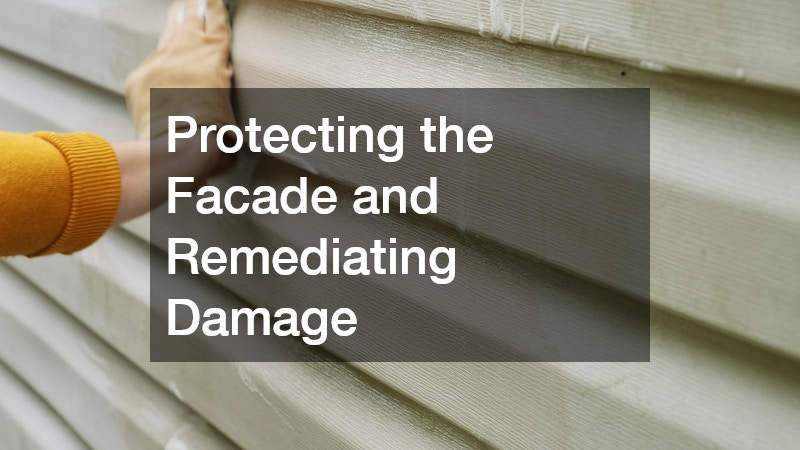
The skin of your home—its siding—serves as both an aesthetic statement and a protective barrier. When siding cracks or warps, it allows insects and moisture to penetrate the building envelope. If your home’s exterior is looking weathered or if you notice soft spots in the wood, it may be time to consult with reputable siding companies. Choosing the right material, such as fiber cement or high-grade vinyl, can provide a maintenance-free exterior that lasts for decades and significantly boosts your home’s curb appeal and insulation.
Failure to maintain the exterior often leads to the one thing every homeowner dreads: internal leaks. When water finds its way behind the siding or through a faulty roof, it can linger in the wall cavities, leading to mold growth and weakened studs. In these instances, quick and professional water damage repairs are non-negotiable. This process involves more than just drying out the carpet; it requires specialized equipment to extract moisture from deep within the structure and sanitize the area to ensure the air you breathe remains healthy.
Implement a “Clearance Zone”:
Maintain at least six inches of space between your siding and any mulch, soil, or vegetation. This gap prevents moisture from “wicking” up into the siding material and provides a visual barrier that helps you spot termite tubes or carpenter ant activity before they enter the home.
Utilize Moisture Mapping: If you suspect a hidden leak, professionals can use moisture meters and thermal cameras to “see” inside the walls without tearing them down. This proactive diagnostic step allows you to pinpoint damp insulation or wood rot early, ensuring that remediation is surgical and less disruptive to your daily life.
Monitor Exterior Caulking: The joints where siding meets window trim or corner boards are prone to movement. Inspecting these seals annually and reapplying high-quality exterior sealant prevents driving rain from getting behind your siding, where it can rot the structural sheathing unseen.
Schedule Soft-Washing: Instead of high-pressure washing, which can force water behind your siding panels, use a low-pressure “soft wash” with specialized detergents. This removes mold, mildew, and oxidation that can degrade the siding material over time, keeping the facade vibrant and functionally intact.
Elevating the Interior Vitality

Once the shell of the home is secure, the focus shifts to the systems that sustain your daily life. Comfort is often felt in the quality of the things we consume and the efficiency of the spaces we inhabit.
One of the most overlooked aspects of home comfort is water quality. Hard water or water with high chlorine levels can irritate skin, damage hair, and cause scale buildup in your plumbing. Installing a comprehensive water filtration system can transform your daily shower and your morning coffee. Beyond the health benefits, filtered water extends the lifespan of your water heater and dishwasher by preventing mineral deposits from clogging the machinery.
Moving to the heart of the home, the kitchen is where functionality and comfort intersect. If you find yourself frustrated by a lack of storage or a “cluttered” feeling, the culprit is often outdated or poorly designed cabinets. Upgrading your storage solutions isn’t just about new doors; it’s about incorporating modern conveniences like soft-close hinges, pull-out spice racks, and deep drawers for pots and pans. Better organization leads to a lower-stress environment, which is the ultimate form of home comfort.
Automate Your Water Quality: Choose a filtration system that includes an automatic backwash or filter-change indicator. This ensures that you aren’t drinking from an exhausted filter and maintains a consistent flow rate, so you never experience a drop in water pressure during peak usage hours.
Prioritize Ergonomic Storage: When redesigning your storage, focus on “point-of-use” accessibility, such as placing heavy pull-out drawers near the stove for cast iron pans. This reduces the physical strain of bending and reaching, making the kitchen a more comfortable and inviting space for cooking and socializing.
Incorporate Smart Faucets: Modern plumbing fixtures can be integrated with your filtration to provide touchless operation and precise temperature control. This reduces cross-contamination during food prep and ensures that the water you use for cooking is always the optimal temperature and purity.
Maximize Corner Efficiency: Don’t let deep corner spaces go to waste. Installing “Lazy Susans” or “blind corner” pull-outs allows you to access items that would otherwise be forgotten at the back of a cabinet, reducing the frustration of digging for appliances and making the kitchen feel significantly larger.
Strategic Growth and Modern Layouts

Sometimes, the original footprint of a home is simply no longer sufficient for a growing family or a changing lifestyle. When you feel “cramped,” no amount of cleaning or organization will restore your comfort. This is where professional home remodelers come into play. These experts can help you reimagine your existing square footage, perhaps by knocking down a non-load-bearing wall to create an open-concept living area or by converting an unused garage into a functional home office.
In cases where the current footprint is maximized, you may need to look outward. Utilizing home addition services allows you to add specific functionality—like a sunroom, a master suite, or a guest wing—without the hassle of moving. A well-planned addition should feel like a natural extension of the house, matching the architectural style and flow so that the new space integrates seamlessly with the old.
Optimize Multi-Functional Spaces: Work with designers to create rooms that serve dual purposes, such as a guest bedroom with a high-quality Murphy bed that doubles as a dedicated home office. This maximizes the utility of every square foot without requiring a massive increase in the home’s physical footprint.
Integrate Independent HVAC Zones: When adding new rooms, ensure they have their own thermostat or mini-split system. This allows you to heat or cool only the areas you are using, preventing the common issue where additions feel significantly hotter or colder than the rest of the house.
Plan for Natural Light: During a remodel, strategically placing skylights or larger windows can drastically change the mood of a home. Increasing natural light reduces the need for artificial lighting during the day and has been shown to improve the circadian rhythms and overall mental health of the inhabitants.
Standardize Flooring Transitions: A key to a professional-looking expansion is the seamless transition of flooring between the old and new sections. Matching wood species and stain colors or using high-quality transition strips creates a cohesive visual flow that prevents the addition from feeling like an afterthought.
Restoring your home’s comfort is a journey of a thousand small decisions. It begins with the discipline to maintain the basics—keeping the roof tight and the water flowing clean—and culminates in the vision to transform your living spaces into areas that reflect your personality and needs.
When you invest in the integrity of your home, you are doing more than just increasing its market value. You are creating an environment that supports your health, reduces your stress, and provides a backdrop for a lifetime of memories. Whether you are tackling a minor repair or embarking on a major renovation, the goal remains the same: a home that works for you, rather than you working for the home. Take the time to assess your space, prioritize the most critical updates, and enjoy the lasting peace that comes with a well-cared-for home.