Key Takeaways
- Connected devices like cameras, smart locks, and sensors communicate with each other to create a single responsive safety network instead of isolated gadgets.
- Homeowners can monitor their property in real time from anywhere, which cuts response times during emergencies and reduces uncertainty while traveling.
- Insurance discounts, energy savings, and lower risk of break-ins often offset much of the upfront equipment cost over time.
- Professional monitoring and self-monitoring each have strengths, and the right choice depends on lifestyle, budget, and risk tolerance.
- Voice assistants, automation routines, and geofencing turn protection into a hands-free part of daily living.
- Rural and suburban properties face different threats, so system design should match the surrounding environment and response times available.
- Privacy, data storage, and device compatibility are trade-offs worth weighing before committing to any ecosystem.
The days of a single siren bolted to the wall are over. Today’s homeowners are weaving cameras, sensors, smart locks, lights, and even thermostats into one connected ecosystem that reacts to what is happening inside and outside the property. The shift is not just about new gadgets. It is about how these devices talk to each other.
Think about a motion sensor that triggers a porch light, which cues a camera to record, which then sends a clip to your phone. That chain reaction used to require a security guard. Now it happens in under five seconds, often before anyone realizes a package has been dropped off, let alone tampered with.
The scale of adoption tells the story. According to SafeHome.org, alarm systems now protect more than 39 million households across the United States, which reflects how mainstream smart protection has become. Families who once dismissed these setups as overkill now see them as basic household infrastructure.
Comparing Monitoring Styles: Pro Versus Self
One of the first forks in the road is deciding who watches the system. Professional monitoring routes alerts to a 24/7 call center that dispatches police or fire services. Self-monitoring sends alerts straight to your phone and leaves the decision in your hands. Both work, but they serve different personalities.
Professional monitoring makes sense for people who travel often, have limited phone access during the day, or want the peace of mind that someone is always on duty. Self-monitoring appeals to hands-on homeowners who prefer control, lower monthly costs, and the freedom to verify alerts before calling authorities.
What to Weigh Before You Pick a Plan
Choosing between the two is rarely black and white. Consider the following before signing a contract:
- Monthly fees versus one-time equipment costs
- Response time expectations in your neighborhood
- Cellular backup in case Wi-Fi fails
- Ability to cancel or pause service without penalty
- False alarm fees charged by local police
- Integration with existing smart devices you already own
Some households even run a hybrid approach, paying for professional monitoring during travel months and switching to self-monitoring when they are home full time. Flexibility like this was unheard of a decade ago.
The Real Financial Advantages of a Home Security System
Cost is where skeptics usually push back. Equipment packages, monthly fees, and installation can look steep on paper, and for many households that initial sticker price is enough to put the decision on hold indefinitely. But when you spread the numbers across a few years, the math often flips in favor of the homeowner, and the longer you own the system, the more lopsided that equation tends to get.
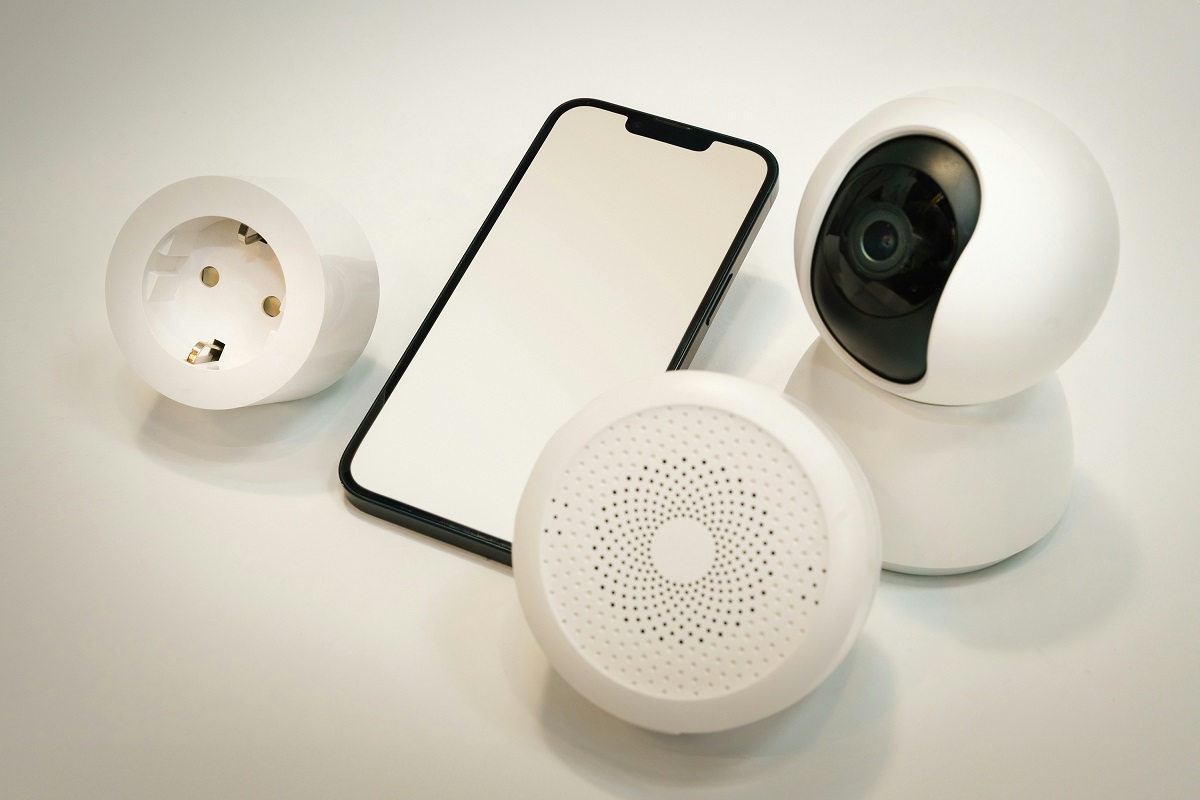
According to Consumer Affairs, installing a monitored setup can trim insurance premiums by as much as 15 percent, averaging around $263 in annual savings. That discount alone can cover a large chunk of a basic subscription, and in some cases it offsets the entire annual monitoring fee. Many insurers stack additional credits on top for specific features like fire monitoring, 24/7 professional response, or water leak detection, so it pays to call your provider and ask exactly which components qualify. Add in lower energy bills from smart thermostats that learn your schedule, automated lighting that shuts off empty rooms, and smart plugs that cut phantom draw from idle electronics, and the system starts to pay for itself within just a few billing cycles.
Beyond insurance, there is the harder-to-measure value of avoided loss. The financial benefits of a home security system also include protecting irreplaceable belongings like heirlooms and important documents, preventing water damage through leak sensors placed near water heaters and washing machines, and reducing the chance of a costly break-in in the first place thanks to the visible deterrent of cameras and yard signs. A single undetected pipe leak can run into the thousands in repairs and mold remediation, and the average burglary loss hovers well above $2,000 before you account for damaged doors, broken windows, or the emotional toll of starting over. These are the kinds of savings you only notice when they stop happening, which is exactly why the long-term value of home security tends to be underestimated at the point of purchase.
How Smart Automation Changes Daily Life
Protection is only one piece of the puzzle. Modern systems double as convenience tools that quietly handle small chores. Lights turn on when you pull into the driveway. Doors unlock as you approach with your phone. The thermostat drops when the last person leaves for work.
This kind of automation is especially valuable for families juggling busy schedules. Parents can confirm that kids got home from school. Dog walkers can be let in remotely. Deliveries can be placed inside a garage instead of left on the porch. The home security conversation has quietly expanded into a conversation about daily efficiency.
Voice Control and Routine Scheduling
Voice assistants like Alexa and Google Assistant have made these routines almost invisible. A single phrase such as “goodnight” can lock doors, arm sensors, dim lights, and lower the thermostat all at once. Scheduled routines handle the rest, running in the background whether you remember them or not.
The trade-off is that voice control depends on reliable internet and comfort with always-listening microphones. For some, that is a dealbreaker. For others, the convenience outweighs the privacy concerns, especially when the devices come from vendors that let users review and delete recordings.
Which Devices Actually Matter Most?
Not every gadget deserves a spot on your wall. Shopper preferences give a good hint about what pulls its weight. According to Security.org’s 2026 DIY report, outdoor cameras top the wish list for 83 percent of shoppers, with video doorbells close behind at 81 percent. Both devices focus on the perimeter, which is exactly where most incidents begin.
Here is a practical starter stack that covers most households without overspending:
- One video doorbell at the main entrance
- Two outdoor cameras covering the driveway and back yard
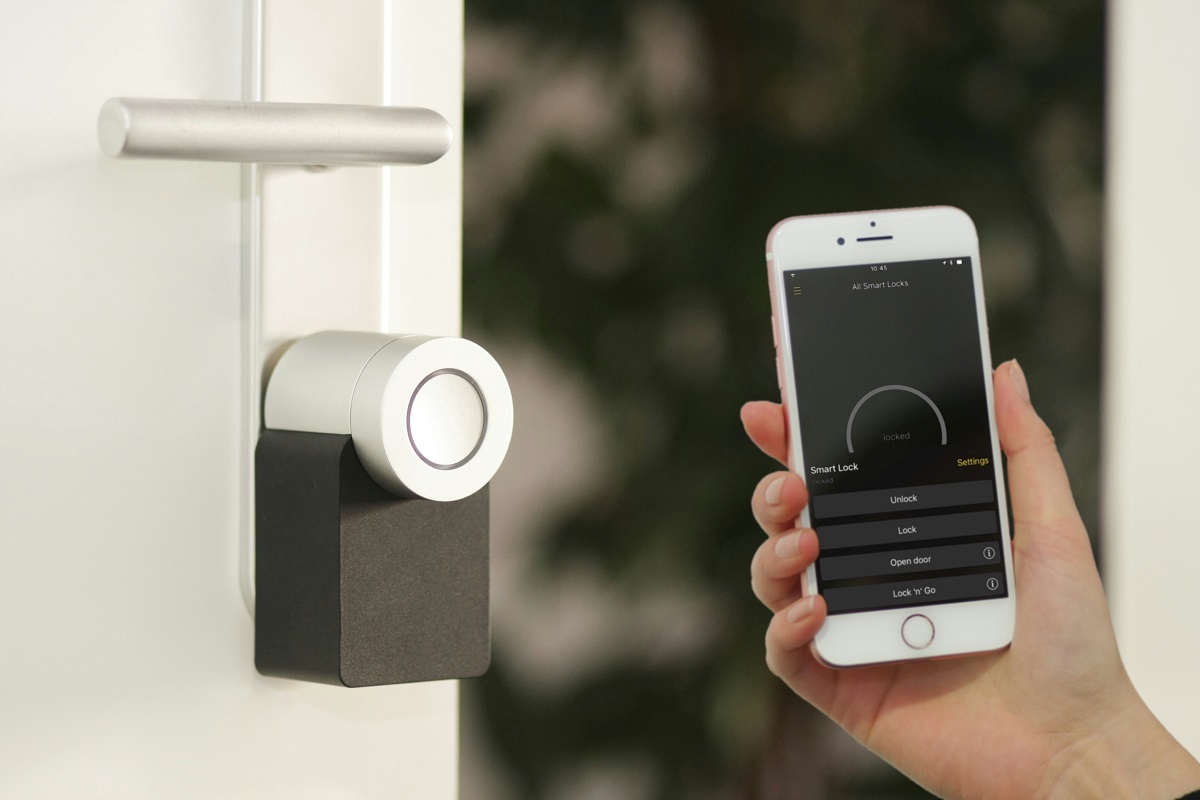
- A smart lock on the primary door
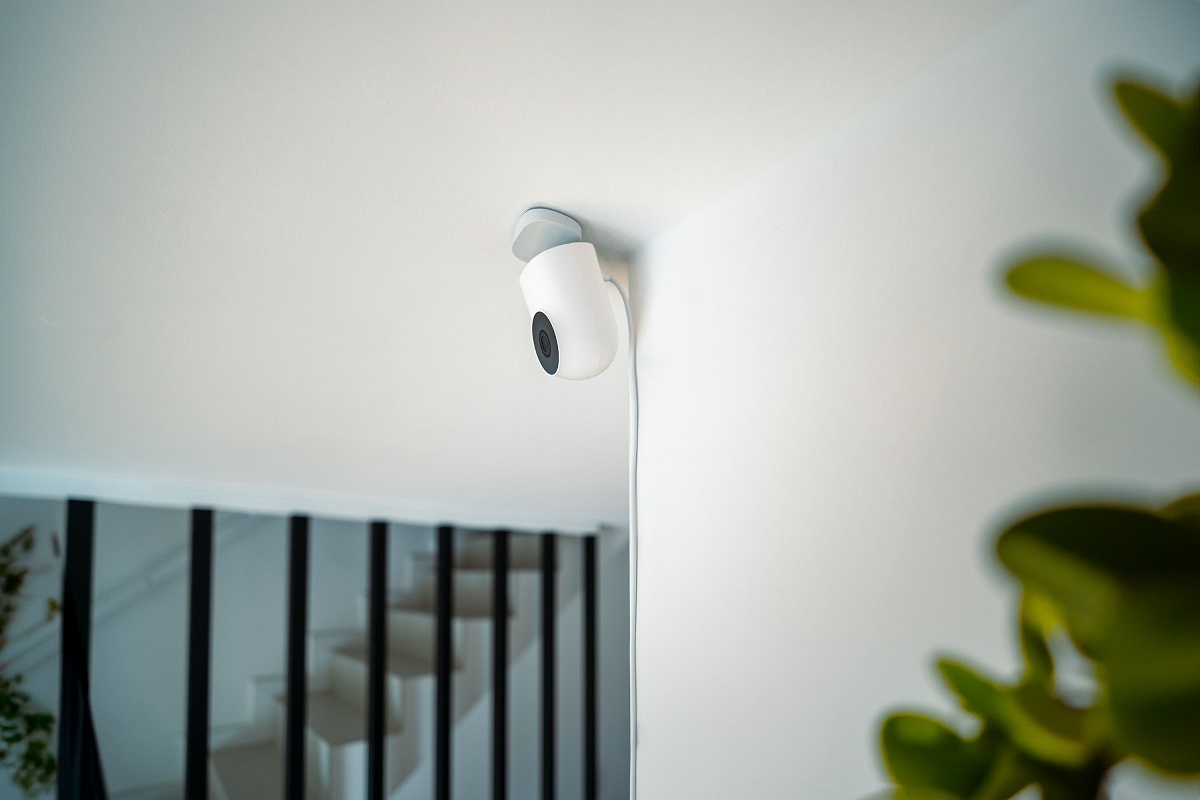
- Motion sensors in hallways or stairwells
- A hub or panel that unifies everything
- Glass-break or entry sensors for ground-floor windows
For homes in more isolated areas, the gear list grows. Longer sight lines, slower emergency response, and fewer neighbors change the calculation entirely. A thoughtful approach to rural property safety often adds driveway alarms, solar-powered cameras, and cellular hubs that work even when power or broadband fails.
Does Visible Technology Actually Deter Crime?
Prevention is the quietest victory a system can deliver. A would-be intruder who spots a camera and walks away costs you nothing, generates no alert, and leaves no story to tell. Yet it happens constantly.
According to CCTV Security Pros, citing a University of North Carolina study, homes with visible cameras are roughly 300 percent less likely to be burglarized. That is a staggering gap, and it suggests that the mere presence of recording equipment shifts a burglar’s calculus. They move on to easier targets.
Deterrence is strongest when the signs are obvious. Yard signs, doorbell cameras at eye level, and motion-activated floodlights all broadcast the message that this property is watched. Interior-only systems that no one can see from the sidewalk miss out on much of this protective effect.
Weighing the Downsides Before You Commit
No fair comparison ignores the trade-offs. Smart systems depend on electricity, internet, and cloud services, which means outages and software glitches can leave gaps. Cameras record footage that lives on company servers, raising legitimate questions about who can access it and for how long.
A few concerns worth thinking through:
- Subscription fatigue from multiple device apps
- Vendor lock-in with ecosystems that will not talk to competitors
- Data breaches exposing video or entry logs
- Over-reliance on technology instead of basic habits like locking doors
- Learning curves for less tech-comfortable household members
The counterweight is that most of these issues can be managed with research. Picking vendors with strong encryption standards, two-factor authentication, and clear data retention policies goes a long way. Reading the fine print on who owns your footage matters just as much as picking the right camera resolution.
Matching the System to Your Property Type
A downtown condo and a five-acre homestead have almost nothing in common when it comes to risk. Yet shoppers often buy the same off-the-shelf kit regardless of where they live. That mismatch leads to either overspending on features that go unused or underprotecting the spots that need the most coverage.
Apartment dwellers typically benefit from compact, renter-friendly gear. Peel-and-stick sensors, tabletop cameras, and smart plugs that do not require drilling are ideal. Suburban homeowners have more freedom to wire in doorbells, floodlight cameras, and hardwired panels. Rural residents, as mentioned earlier, need gear that tolerates weather, distance, and spotty connectivity.
Climate and Environment Considerations
Where you live shapes what your equipment has to survive. A camera that works flawlessly in a mild coastal town may fail in a desert summer or a northern winter. Before buying, check the operating temperature range, waterproof rating, and battery performance in cold weather.
Other environmental factors worth mapping out:
- Tree cover that can block wireless signals or trigger false motion alerts
- Wildlife patterns that lead to nighttime notifications from raccoons or deer
- Seasonal lighting changes that affect camera visibility
- Snow loads or heavy rain that can knock out exterior sensors
- Proximity to cell towers for cellular-backup devices
Taking an afternoon to walk your property with these questions in mind saves hours of troubleshooting later.
Preparing for the Next Wave of Smart Protection
The pace of change is not slowing down. Artificial intelligence is already sorting real threats from passing cars, pets, and swaying branches, which cuts down on the alert fatigue that plagued earlier generations of cameras. Facial recognition can greet family members by name while flagging strangers. Package detection can distinguish a delivery from a prowler.
Looking ahead, expect tighter integration between protective devices and the rest of the household. Health sensors may alert loved ones if an elderly resident falls. Air quality monitors could trigger ventilation during wildfire season. Electric vehicle chargers may coordinate with cameras to confirm the right car is plugged in overnight. The ecosystem keeps widening, and the line between safety and comfort keeps blurring.
Staying future-ready does not mean buying every new release. It means picking platforms with open standards like Matter and Thread, which let devices from different brands cooperate. That single decision protects your investment more than any individual gadget ever could.
Closing Thoughts
Smart protection has moved far beyond the simple alarm boxes of the past. It now sits at the intersection of safety, convenience, and daily routine, offering homeowners a level of awareness and control that was impossible a generation ago. Whether the goal is lower insurance premiums, deterring break-ins, or simply knowing the kids made it home, a thoughtfully chosen setup delivers on multiple fronts at once.
The best systems are the ones that match the people living with them. A retiree in a quiet cul-de-sac needs something very different from a young family in a busy suburb or a homesteader on acreage. Taking the time to audit your property, your habits, and your tolerance for monthly fees pays off in a setup that actually gets used instead of ignored.
Technology will keep evolving, and so will the threats it is designed to address. The homeowners who get the most out of these tools are the ones who treat them as living systems, adjusting routines, swapping out aging gear, and staying curious about what the next generation of devices can do. Done right, the result is a home that feels quieter, safer, and a little bit smarter every year.