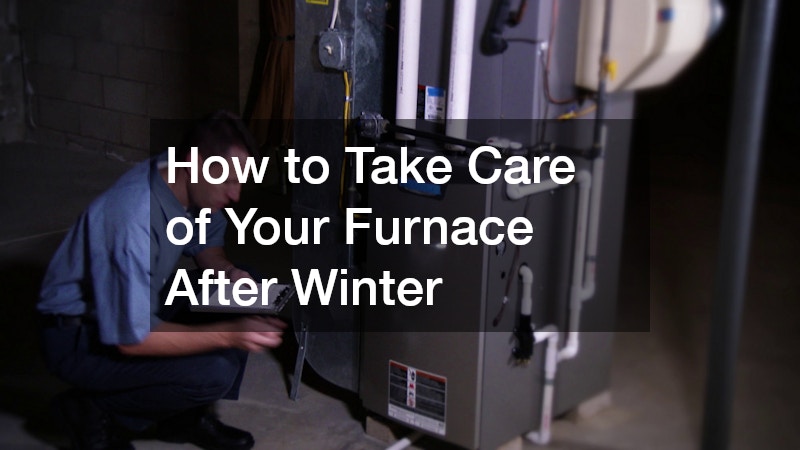
As winter fades and temperatures rise, many homeowners turn their attention away from their heating systems. However, the period immediately after winter is one of the most important times to care for your furnace. Months of constant operation can leave components dirty, worn, or slightly misaligned. Addressing these issues early helps ensure your system is ready when colder weather returns. Post winter maintenance is not just about cleanliness, it is about efficiency, safety, and long term performance.
Why is Post Winter Furnace Maintenance Important?
Energy Efficiency
During winter, furnaces often run for extended periods, accumulating dust and debris that can restrict airflow and force the system to work harder. When airflow is limited, your furnace consumes more energy to produce the same level of heat. Post winter maintenance removes these obstructions and allows components to operate smoothly. A clean and well maintained furnace heats more effectively, cycles properly, and uses less fuel or electricity. Over time, these improvements translate into lower utility bills and more consistent indoor temperatures.
Prolonging Lifespan
Furnaces are a significant investment, and proper care plays a major role in protecting that investment. Small issues such as loose connections, minor corrosion, or dirty sensors can gradually cause larger mechanical failures if ignored. Addressing wear and tear after winter reduces stress on critical components like the blower motor and heat exchanger. Routine checks and cleaning help your furnace operate within its designed limits, extending its usable lifespan and delaying the need for costly replacement.
Safety Concerns
Safety is another critical reason for post winter furnace maintenance. Furnaces that burn gas or oil can develop issues such as cracked heat exchangers, blocked vents, or faulty ignition components. These problems may lead to carbon monoxide leaks or fire hazards if left unaddressed. Even electric furnaces can pose risks when wiring or internal components deteriorate. End of season attention helps identify potential safety issues early, giving you peace of mind as your system sits idle during warmer months.
What Steps Should I Take to Clean My Furnace?
Shutting Down Power and Gas
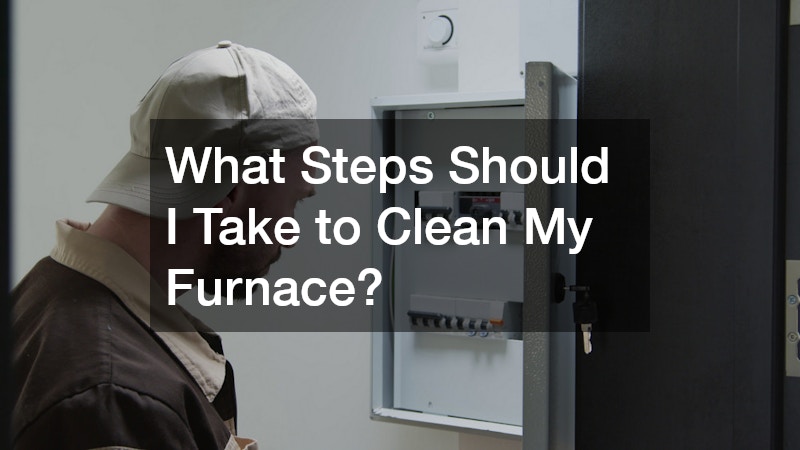
Before performing any cleaning or maintenance, safety comes first. Turn off the furnace at the thermostat, then shut off power at the breaker panel. If your furnace uses gas, locate the gas shutoff valve and turn it off as well. Allow the system to cool completely before opening access panels. Taking these precautions reduces the risk of electrical shock, gas leaks, or accidental system activation while you work.
Filter Replacement
Replacing the furnace filter is one of the simplest yet most impactful maintenance tasks. Over winter, filters collect dust, pet dander, and other airborne particles. A clogged filter restricts airflow and reduces efficiency. Choose a filter that matches your furnace specifications and household needs. High quality filters improve indoor air quality while protecting internal components from excessive buildup. Installing a fresh filter after winter sets the stage for better performance in the months ahead.
Cleaning Vents and Ducts
Dust and debris often accumulate in vents and ducts during heavy winter use. Start by removing vent covers and washing them with warm soapy water. Use a vacuum with a hose attachment to remove visible dust from duct openings. Keeping vents clean improves airflow and reduces the circulation of allergens throughout your home.
How Do I Conduct a Post Winter Furnace Inspection?
Visual Inspection of Components
A careful visual inspection can reveal many common issues. Look for loose wires, signs of rust, cracked panels, or soot buildup. Check the blower compartment for excessive dust and ensure belts and connections appear secure. This step complements a professional HVAC inspection and allows you to spot obvious concerns early. If anything appears damaged or unusual, contacting a licensed technician is recommended.
Inspecting the Thermostat
Your thermostat plays a key role in furnace performance. Test it by adjusting the temperature setting and confirming that the system responds correctly. Replace batteries if needed and check that the display is accurate. Proper calibration ensures your furnace cycles efficiently and maintains consistent comfort when it is needed again.
Examining the Flame Sensor
The flame sensor is a critical safety component in gas furnaces. Over time, it can become coated with residue that interferes with proper operation. Carefully remove the sensor and gently clean it with fine grit sandpaper or a soft cloth. A clean flame sensor helps ensure reliable ignition and prevents unexpected shutdowns during future heating cycles.
Taking care of your furnace after winter is a proactive step that pays off in efficiency, safety, and reliability. Regular post winter maintenance reduces the likelihood of breakdowns, extends the life of your furnace, and keeps energy costs under control. With a little time and attention now, your heating system will be ready to perform at its best when cold weather returns.