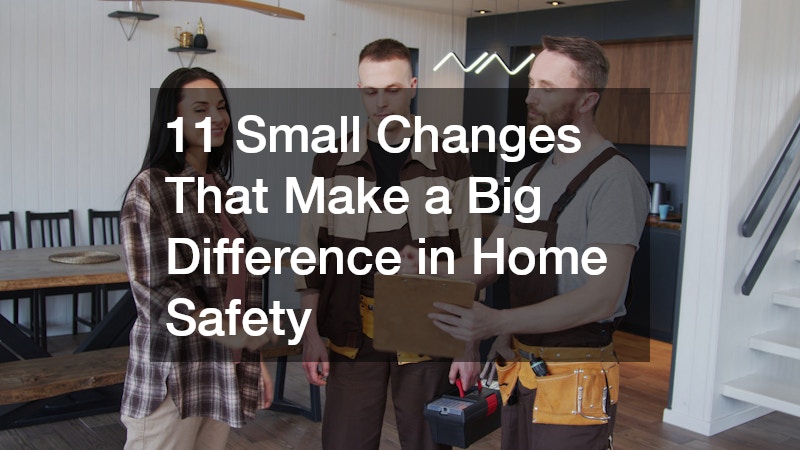
Home safety isn’t always about large-scale renovations or expensive upgrades. Often, small, intentional changes can significantly reduce risks, prevent accidents, and protect your family. From improving indoor air quality to preventing slips, falls, and fire hazards, a few thoughtful adjustments in key areas can make your home far safer.
Many homeowners underestimate how minor issues—like poor lighting, unprotected electrical outlets, or inefficient drainage—can compound into bigger risks over time. By addressing these small problems proactively, you not only improve comfort and security but also prevent costly repairs down the line.
In this guide, we’ll explore eleven simple but effective changes that can transform your living space into a safer environment. Each tip focuses on practical steps that can be implemented quickly, without requiring a full remodel, while highlighting services and experts that can make the process easier.
1. Keep Outdoor Areas Pest-Free

Maintaining a pest-free yard is more than a matter of comfort; it directly affects the safety of your home. Pests such as ticks, mosquitoes, and other insects can transmit diseases, create slipping hazards, and even damage landscaping that supports structural integrity.
Hiring a professional lawn pest control service helps prevent infestations before they become serious. These services target breeding areas, treat problem zones, and offer ongoing maintenance that reduces the risk of pest-related accidents. Proper pest management ensures that walkways, decks, and outdoor play areas remain safe for family members.
Regular pest control also protects against property damage. Insects and other pests can compromise wooden structures, fences, and plantings that keep the soil stable, reducing potential tripping hazards. By keeping your lawn and garden well-maintained and pest-free, you create a safer and more enjoyable outdoor environment.
In addition to safety, professional lawn pest control contributes to a cleaner, healthier yard. When you combine these services with basic landscaping upkeep, you can prevent mold growth, maintain proper drainage, and minimize insect activity—all of which enhance the overall safety of your property.
2. Protect Your Home From Rodents
Rodents may seem like a minor nuisance, but they pose significant health and safety risks. They can chew through wires, damage insulation, and leave droppings that carry harmful bacteria and allergens. Even a small infestation can create fire hazards and compromise structural components.
Investing in rodent control services helps identify entry points, remove existing infestations, and prevent future problems. Professionals use safe, targeted methods to eliminate rodents without putting your family or pets at risk.
Rodent activity can also indirectly affect energy efficiency. When insulation is damaged or wiring is exposed, heating and cooling systems must work harder, increasing energy consumption. Rodent control not only protects your home’s safety but also supports long-term operational efficiency.
Routine inspections and treatment can prevent minor issues from escalating into costly repairs. By addressing rodent risks early, homeowners reduce potential fire hazards, structural damage, and exposure to contaminants—making the living environment safer for everyone.
3. Address Moisture and Mold
Excess moisture is one of the most overlooked threats to home safety. It can weaken structural materials, promote mold growth, and worsen indoor air quality, which may lead to respiratory issues or allergic reactions.
A professional mold removal company can assess problem areas, remove hazardous mold, and recommend long-term solutions to control humidity levels. These services ensure that affected areas are treated safely and thoroughly, reducing the chance of recurrence.
Even minor leaks or poorly ventilated spaces can lead to mold that spreads behind walls or under floors, creating hidden safety risks. Timely mold remediation protects structural elements, maintains air quality, and reduces the potential for slips and other accidents caused by damp surfaces.
Integrating mold prevention into routine maintenance—such as controlling humidity, fixing leaks, and inspecting vulnerable areas—keeps living spaces safe and healthy. Working with a mold removal company ensures that these steps are executed correctly, giving homeowners confidence that hidden hazards are addressed.
4. Maintain Plumbing Systems
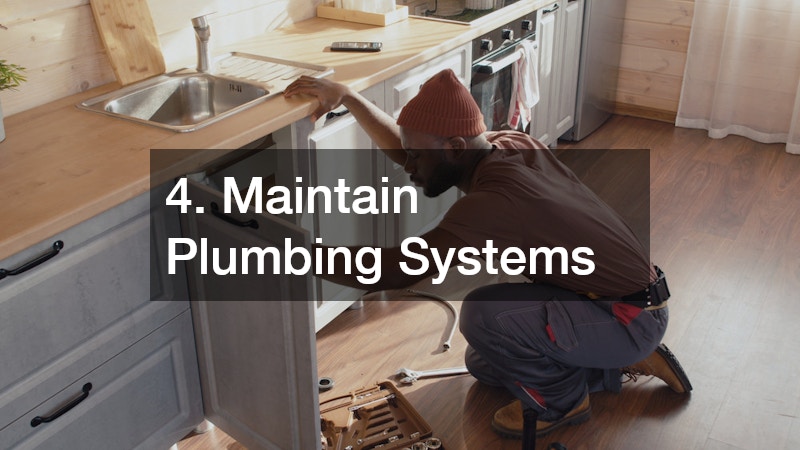
Properly functioning plumbing is crucial for both safety and comfort. Leaks, clogs, or faulty pipes can cause water damage, promote mold growth, and create slippery floors that lead to falls. Long-term neglect may even compromise structural integrity.
Plumbing contractors help homeowners maintain pipes, valves, and fixtures to prevent water-related hazards. Regular inspections, leak repairs, and system upgrades can stop problems before they escalate. A professional assessment ensures that water pressure is correct, drainage is efficient, and potential weak points are reinforced.
Beyond safety, reliable plumbing reduces unnecessary water waste and prevents flooding, which can damage floors, cabinets, and electrical systems. Addressing small plumbing issues early protects both residents and property while improving overall home efficiency.
Routine maintenance also contributes to predictable household operations. Homeowners can avoid unexpected shutdowns, emergency repairs, and the safety risks associated with sudden pipe bursts or water damage. Proper plumbing care is a small but critical step toward a safer home environment.
5. Test and Treat Pool Water
For homes with swimming pools, water safety is a key concern. Unbalanced water chemistry, poor filtration, or undetected contaminants can create health risks and make pool areas unsafe for children and adults alike. Regular pool water testing ensures that chlorine, pH, and other chemical levels are safe. Pool water testing services provide guidance on adjustments and maintenance routines, helping prevent infections, skin irritations, and other waterborne hazards.
Proper pool maintenance also includes keeping the surrounding areas slip-resistant and free of debris. Slippery surfaces, algae buildup, or poor drainage can lead to falls and injuries, which are preventable with consistent attention. By combining water testing with routine safety checks, homeowners create a safer and healthier environment for recreational activities. Pool maintenance is a small yet impactful change that dramatically reduces the risk of accidents and protects the well-being of all family members.
6. Improve Privacy and Safety With Window Treatments
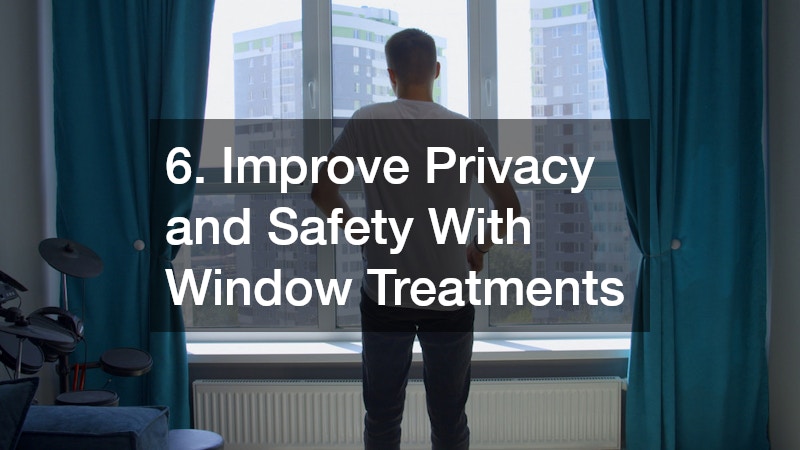
Windows are both a source of natural light and a potential safety concern. Poorly designed or unprotected windows can increase the risk of accidents, break-ins, or exposure to harmful sunlight. Small adjustments can make a big difference.
Custom window treatments provide a way to improve safety, security, and comfort. Properly fitted blinds, shades, or shutters prevent children or pets from accessing dangerous areas near windows, reduce glare that can cause temporary visual hazards, and add a layer of security against intruders.
Beyond safety, custom window treatments help regulate indoor temperatures, which indirectly supports energy efficiency and comfort. Blocking direct sunlight reduces the risk of furniture or flooring damage while keeping rooms cooler during warm months. This, in turn, can lower reliance on air conditioning and prevent sudden temperature swings that can lead to discomfort or slips from condensation.
Working with a professional service ensures that window treatments are installed correctly and tailored to your specific home needs. Simple changes, like adding cordless blinds or reinforced coverings, may seem minor but significantly improve both safety and overall peace of mind in every room.
7. Make Safer Layouts With Remodeling
Even minor remodeling can greatly improve safety in the home. Poorly planned layouts, narrow walkways, and awkward room configurations can increase the risk of trips, falls, or collisions. Small updates often have an outsized impact.
Remodeling contractors can help redesign spaces for safer movement and accessibility. Adjusting stair heights, widening doorways, or installing handrails can prevent accidents and make rooms easier to navigate for children, seniors, and those with mobility issues.
Kitchen and bathroom remodels, in particular, benefit from safety-focused updates. Non-slip flooring, better lighting, and strategically placed cabinets reduce hazards while improving daily usability. Remodeling contractors can ensure these updates meet modern safety standards and building codes.
Even minor adjustments, such as reconfiguring furniture or eliminating sharp edges, contribute to a safer home environment. Professional guidance ensures that renovations are both functional and secure, making spaces safer without compromising design or comfort.
8. Prevent Slips With Safer Flooring
Flooring plays a major role in home safety. Wet or uneven surfaces can lead to slips, trips, and falls, which are among the most common causes of household injuries. Selecting the right materials and maintaining them is essential.
A reputable flooring company can recommend slip-resistant options and install surfaces that minimize hazards. Textured tiles, treated wood, and anti-slip coatings reduce the likelihood of accidents in kitchens, bathrooms, and entryways. Proper installation ensures that there are no gaps, uneven surfaces, or loose panels that could cause injury.
Routine maintenance also helps preserve safety. Regular inspections and timely repairs prevent minor wear and tear from becoming dangerous. Addressing spills quickly, using mats in high-traffic areas, and choosing durable, safe materials makes flooring one of the easiest yet most effective ways to improve home safety.
By combining smart materials with professional installation and maintenance, homeowners create a foundation that supports safe movement throughout the house, protecting both family members and guests from preventable accidents.
9. Ensure Electrical Safety
Electrical systems are critical for both comfort and safety, but they are often overlooked. Faulty wiring, overloaded circuits, or improperly installed outlets can pose fire hazards and increase the risk of shocks or short circuits.
Working with residential electricians ensures that your electrical systems are up to code and functioning safely. Professionals can inspect wiring, upgrade outdated panels, install ground fault circuit interrupters (GFCIs), and address hidden hazards before they become serious problems.
Even small fixes, such as replacing frayed cords, adding outlet covers, or improving lighting, can significantly reduce risk. Proper electrical maintenance not only protects the family but also preserves appliances and prevents costly damage caused by power surges or shorts.
Routine electrical safety checks provide peace of mind. By investing in professional inspections and timely repairs, homeowners ensure that their living spaces are safe, compliant with regulations, and equipped to handle modern energy demands efficiently.
10. Use Fireplaces Safely
Fireplaces are a focal point in many homes, but they can also pose fire and carbon monoxide risks if not properly maintained. Regular care and attention are key to keeping this feature both enjoyable and safe.
Professional inspections and maintenance of fireplaces help identify potential hazards, such as creosote buildup, cracked flues, or damaged screens. This ensures that combustion occurs safely and that smoke and harmful gases are properly vented.
In addition to safety, fireplaces should be equipped with proper barriers and spacing to prevent accidental burns. Simple adjustments, like using hearth guards, keeping combustible items away, and maintaining clear surrounding areas, significantly reduce risks.
Routine cleaning, proper use, and professional check-ups make fireplaces safer without sacrificing comfort or ambiance. A well-maintained fireplace enhances both warmth and security, giving homeowners a cozy feature they can enjoy safely year-round.
11. Combine Small Changes for Maximum Impact
Individually, each small change contributes to a safer living environment, but their combined effect is far greater. When homeowners address outdoor hazards, pest risks, indoor air quality, plumbing, electrical systems, flooring, remodeling, windows, pools, and fireplaces together, the home becomes much more resilient to accidents and emergencies.
Implementing these changes doesn’t require a full-scale renovation. Simple steps—backed by professional services—can prevent injuries, reduce maintenance costs, and create a home that feels secure and comfortable. Small, proactive adjustments help protect everyone, from children to seniors, while improving the overall functionality and livability of your space.
Taking a systematic approach ensures that each area is addressed effectively, reducing overlapping risks and preventing new hazards from developing. By combining professional services with practical adjustments, homeowners can enjoy the peace of mind that comes from living in a well-protected, accident-resistant home.
Home safety doesn’t have to be complicated or expensive. By making eleven small, targeted changes, homeowners can dramatically reduce risks, prevent accidents, and protect their families. From pest control and mold prevention to plumbing, electrical systems, and safe fireplaces, each adjustment plays a meaningful role in creating a safer environment.
Working with skilled professionals—such as lawn pest control specialists, rodent control experts, mold removal companies, plumbing contractors, pool water testing services, custom window treatment installers, remodeling contractors, flooring companies, and residential electricians—ensures these improvements are executed effectively.
Small changes accumulate into big benefits: fewer accidents, improved air quality, safer movement, and a more secure home overall. By taking proactive steps, homeowners create living spaces that are not only safer but also more comfortable and enjoyable for everyone.