We tend to view our homes as static shields against the outside world. When you close the front door, you enter a space designed for comfort and security. However, a house is less like a solid fortress and more like a complex organism. Behind the drywall, beneath the floorboards, and high above the ceiling tiles, active systems are constantly under pressure. Water moves through pipes at high velocity, electrical currents hum through copper wiring, and structural components bear thousands of pounds of stress. Over time, these systems experience wear and tear that remains invisible to the untrained eye.
The most dangerous threats to a household are rarely sudden, dramatic events. Instead, the true hazards are slow, silent processes that develop over months or years. A microscopic crack in a heat exchanger can quietly alter indoor air quality long before a sensor goes off. A tiny gap in an underground pipe can wash away the supporting soil beneath a concrete foundation, destabilizing the entire property. By the time these issues manifest as visible damage, financial costs and safety risks have already compounded.
Protecting your family requires shifting from a reactive mindset to a proactive one. Waiting for a system to fail before addressing it is an expensive strategy that places your household at unnecessary risk. This guide explores the hidden vulnerabilities within five critical zones of your property, providing the insight needed to identify risks early, preserve structural integrity, and maintain a secure living environment.
Auditing Electrical and Heating Infrastructure for Unseen Threats
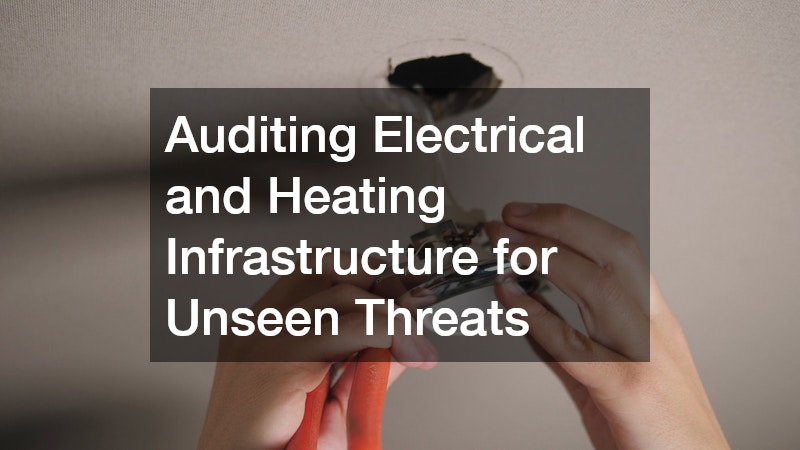
The electrical grid hidden within your walls provides seamless power, but this convenience depends on aging infrastructure. In many homes, the electrical panel, outlets, and internal wiring were installed decades ago, designed for an era with lower power demands. When modern appliances pull continuous current through older circuits, the wires can overheat. This heat degrades the protective plastic insulation surrounding the copper, exposing raw wire to wooden studs and insulation material. Because this process occurs entirely out of sight, a serious fire hazard can develop without any outward signs of trouble until a dangerous arc occurs.
Homeowners must look for subtle indicators of electrical distress rather than waiting for a breaker to trip. A wall switch plate that feels warm to the touch, a faint humming sound near an outlet, or lights that flicker briefly when a major appliance kicks on are all signs that the electrical system is struggling. To mitigate these risks, homeowners should regularly check that their outlets function correctly and ensure that high-moisture areas like kitchens are equipped with functional ground-fault circuit interrupters. For older homes or systems showing signs of wear, scheduling professional electrical repairs is a non-negotiable step to prevent catastrophic electrical fires.
A closely related invisible hazard resides within the home’s climate control system. During colder months, the furnace becomes the heart of the home, but a malfunctioning unit can introduce deadly, odorless carbon monoxide into the living space. This risk primarily stems from a cracked heat exchanger, which keeps toxic combustion gases separate from the breathable air being circulated through your vents. As a furnace cycles on and off over the years, the metal expands and contracts constantly, causing microscopic cracks to form along the welds or bends.
Because carbon monoxide is invisible, tasteless, and scentless, a cracked heat exchanger can slowly poison a household without anyone realizing the source of their sudden headaches or fatigue. Protecting your family from this vulnerability requires a dual approach. First, install dual-sensor carbon monoxide alarms on every level of the home, particularly outside sleeping areas, and test them monthly. Second, ensure the physical system is inspected before the heavy heating season begins. Don’t wait for winter to check your heating system; staying on top of seasonal furnace repairs ensures your unit burns fuel safely and vents toxic exhaust outside.
Managing Subterranean Moisture and Foundation Vulnerabilities
The ground beneath a house is never truly still. Soil expands and contracts based on moisture content, exerting immense hydrostatic pressure against a home’s foundation. When heavy rain falls or winter snow melts, the water table rises, forcing moisture against the exterior of concrete basement walls or crawlspace perimeters. Concrete is inherently porous; under continuous pressure, it acts like a dense sponge, drawing water inward. This moisture migration creates a humid, damp microclimate in lower levels, which is the exact environment required for toxic mold spores to colonize and thrive.
As water saturates the earth outside, it naturally searches for any structural path of least resistance. When mold establishes itself in a basement or crawlspace due to this constant moisture ingress, it doesn’t stay confined there. A natural thermodynamic process pulls air from the lowest points of the house upward into the main living areas, meaning your family breathes air that has circulated through damp, potentially contaminated sub-levels. To counter this, inspect your basement for efflorescence, which is a white, powdery crystalline deposit left behind on concrete walls when water evaporates. If you notice persistent dampness downstairs, investing in a professional waterproofing service will permanently seal out moisture and safeguard your family’s respiratory health.
While external groundwater poses a significant threat from the outside in, an equally destructive force can operate from the inside out, beneath the very floor you walk on. Properties built on concrete slab foundations feature pressurized freshwater lines and sewer pipes embedded directly within or beneath the concrete pour. Over time, these buried pipes can degrade due to chemical reactions with the surrounding soil, friction from shifting ground, or manufacturing defects in the piping material itself. When a pipe develops a pinhole leak beneath a slab, the escaping water has nowhere to go but into the surrounding earth.
As water continuously sprays under pressure, it washes away the compacted dirt and sand supporting the concrete slab, creating a hidden void beneath the home. Deprived of solid ground support, the heavy concrete slab will eventually crack and sink under its own weight, leading to severe structural damage throughout the property. Because the leak is buried, the first indicator is often an unexplained spike in the monthly water bill or a specific area of the floor that feels noticeably warm to the touch. Catching underground issues early is critical, as immediate slab leak repairs can prevent thousands of dollars in structural foundation damage.
Maintaining Drainage Systems to Avoid Interior Contamination
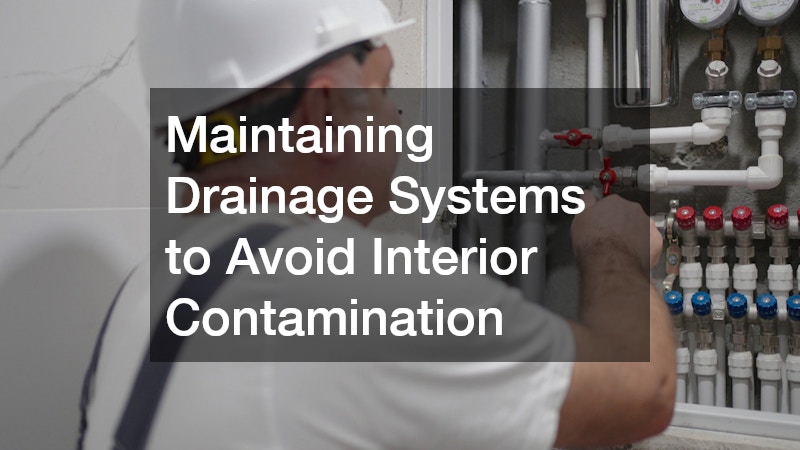
A home’s plumbing infrastructure is divided into two distinct networks: the pressurized supply system that brings clean water in, and the gravity-fed drain system that carries waste away. While supply leaks are problematic, drain failures are significantly more hazardous because the water being moved contains biological contaminants, organic waste, and harmful pathogens. The main sewer lateral line, which runs from the house to the municipal main line, is particularly vulnerable to blockages that can reverse the flow of wastewater back into the home.
Consider a typical household where cooking oils are rinsed down the kitchen sink, hair collects in bathroom drains, and heavy wet wipes are flushed down the toilet. Over time, these materials combine within the main line, creating a sticky, solid mass that restricts the diameter of the pipe. When a total blockage occurs, any water used upstairs has nowhere to go but out of the lowest available openings in the home, which are usually basement floor drains, showers, or toilets. This introduces raw sewage directly into the living space, creating an immediate health hazard. When dealing with stubborn recurring clogs or heavy root intrusion, relying on a licensed plumber is the safest way to diagnose the root cause.
To effectively resolve these deep-seated blockages and prevent them from returning, standard mechanical snakes are often insufficient, as they merely punch a temporary hole through an accumulation rather than clearing the pipe completely. Professional drainage maintenance relies on high-pressure water technology to scour the interior surfaces of the plumbing network. To completely restore the interior diameter of your pipes without damaging them, professionals often use advanced hydro-jetting to blast away years of grease and debris buildup. This process leaves the pipe walls completely clean, preventing new debris from catching on old residue and significantly reducing the likelihood of a dangerous backup.
Mitigating Water Heating Hazards and Pressure Risks
Water heaters operate under constant pressure and thermal stress, quietly performing their duty in utility closets, garages, or basements. Because they are hidden from daily view, they are frequently neglected until a shower suddenly runs cold. However, a failing or improperly maintained water heater represents more than just an inconvenience; it poses real physical risks to both the occupants and the structure of the property itself.
To properly manage a water heater, a homeowner should establish a routine inspection schedule that focuses on temperature control and pressure management:
- Verify the temperature setting: Check the dial on your water heater’s thermostat. Lowering the setting to 120°F provides a safe balance, keeping the water hot enough to prevent bacteria growth while eliminating skin scalding risks.
- Inspect the pressure relief valve: This safety device is engineered to open automatically if internal pressure or temperature levels exceed safe limits. Gently lifting the test lever allows you to ensure water flows freely out of the discharge pipe, confirming the mechanism is functional.
- Flush the tank annually: Dissolved minerals settle to the bottom of the tank over time. This sediment acts as an insulator, forcing the burner to run longer and causing the bottom of the tank to overheat and weaken over time.
When a water heater reaches the end of its functional life span—typically between eight and twelve years—the internal glass lining degrades, and the sacrificial anode rod can no longer prevent the steel tank from corroding. Once rust eats through the outer shell, the structural integrity of the tank is permanently compromised, which can lead to a sudden, catastrophic rupture that releases dozens of gallons of boiling water into your home within minutes. If your water heater is over ten years old or showing signs of rust, arranging for a local water heater installation expert to replace the unit will eliminate the risk of sudden tank rupture. Upgrading to a modern, highly efficient unit ensures reliable, safe operation for another decade.
Securing the Home’s Exterior Shield Against Environmental Damage
The exterior of your property serves as the primary barrier against the elements, absorbing the brunt of wind, rain, sun, and temperature fluctuations. When the exterior shell is compromised, the interior living space becomes vulnerable to environmental hazards that can threaten both physical safety and long-term health. This defense strategy requires careful attention to both the living landscape surrounding the structure and the protective roofing system above it.
An overlooked hazard on many properties is the condition of mature trees growing near the home. While trees provide shade and aesthetic value, they require consistent structural management to ensure they do not become an overhead threat. During severe weather, high winds and saturated soil can destabilize heavy limbs or cause entire trees to uproot, crashing through ceilings and walls. Homeowners must look for structural warning signs such as:
- Deep, V-shaped crotches or splits in the main trunk
- Dead, brittle wood located in the upper canopy
- Fungal growth or soft spots around the root flare
- A sudden, unexplained lean in the tree’s posture after a storm
Routine tree care and maintenance keep your landscape beautiful while systematically eliminating weak branches before they can crash through your ceiling.
Directly above the living space, the roof acts as the most critical line of defense against water intrusion. A single missing shingle, a cracked plumbing vent boot, or a rusted valley flashing can allow rain to seep into the attic space. Once water passes the roofing substrate, it penetrates the layers of your home. It saturates the insulation, rendering it useless and causing energy costs to rise. More importantly, this hidden moisture rots the wooden rafters and ceiling joists, weakening the structural framework of the house while encouraging the rapid growth of mold within the attic cavity. Having certified roofers perform an annual inspection can help catch minor flashing or shingle issues before they turn into internal structural rot.
Over time, cumulative UV damage, thermal shock from shifting temperatures, and physical wear from wind and hail will cause even the highest-quality roofing materials to reach the end of their useful life. When shingles begin to lose their protective granules or crack across their surface, the entire system loses its ability to shed water effectively. At this stage, attempting to patch individual leaks is no longer a viable long-term solution, as the underlying materials have degraded universally. If your roofing system has surpassed its natural lifespan, prioritizing a comprehensive roof installation is the ultimate way to secure your home’s envelope against extreme weather. A new, professionally installed roof establishes a reliable, weather-tight barrier that protects your family, preserves your belongings, and maintains the value of your property for decades to come.
Cultivating a Culture of Proactive Home Safety

Ensuring a safe living space is an ongoing practice of observation, maintenance, and timely intervention. The hidden hazards that threaten a household—whether they take the form of deteriorating wiring, underground plumbing leaks, compromised structural elements, or environmental pressures—develop slowly and thrive on neglect. By understanding how these systems operate and learning to recognize the early warning signs of failure, you can address vulnerabilities before they manifest as dangerous or costly emergencies.
Taking a proactive approach to your property does more than protect your financial investment; it provides invaluable peace of mind. Knowing that your electrical panels are secure, your air quality is uncompromised, your drainage systems flow freely, and your exterior envelope is completely weatherproof allows you to enjoy your home as a true sanctuary. Step away from a mindset of waiting for something to break, and instead establish a routine of regular inspections and thoughtful care. By taking small, deliberate steps to audit and protect your home today, you ensure a secure, healthy, and resilient environment for your family for years to come.