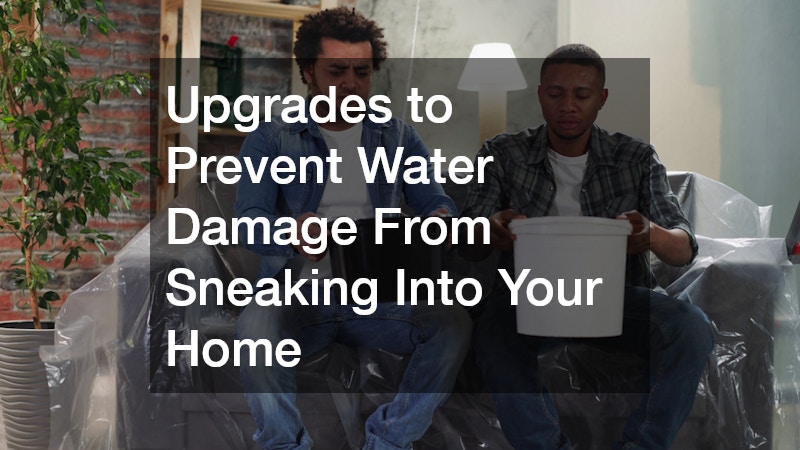
Water damage is a significant threat to homeowners, often creeping in unnoticed through gaps, slow leaks, compromised seals, and porous foundations. By the time visible signs appear, such as stains or odors, the structural integrity of your home may have been eroding for months or years.
Ignoring these vulnerabilities can lead to wood rot, mold growth, and deteriorating air quality, resulting in costly repairs and health issues. Addressing water damage proactively is the most effective way to preserve property value and peace of mind. By upgrading vulnerable areas from the exterior to the basement, you can build a solid defense against moisture.
Roof and Perimeter Defense
The primary line of defense against any water threat is your home’s exterior shell. When rain hits your property, your roof and walls must work in perfect harmony to shed that moisture away from the interior living spaces. If the exterior envelope fails, water immediately begins its destructive journey downward into your walls and framing.
Managing roof runoff is the critical first step in foundation protection. A heavy downpour can drop thousands of gallons of water onto your roof in a matter of hours. If that water is allowed to cascade directly off the shingles, it pools around the perimeter of your house, eroding the soil, soaking into the foundation walls, and eventually causing the concrete to crack under hydrostatic pressure. Upgrading your roof drainage system is paramount to preventing this. Investing in a professional gutter installation ensures that water is captured effectively at the roofline and channeled safely away.
To maximize the effectiveness of your exterior perimeter defenses, consider the following structural enhancements:
- Choose seamless aluminum or copper gutters, which eliminate the joint seams that traditionally warp, leak, and fail over time.
- Opt for oversized downspouts to handle extreme regional downpours without backing up onto the roof deck.
- Install high-quality leaf guards to prevent leaves, twigs, and pine needles from creating hidden blockages that force water to overflow backward into your fascia boards.
- Extend downspout terminations at least six feet away from the foundation wall, or route them directly into an underground French drain system.
While handling roof runoff protects the base of your home, you must also secure the vertical planes of your exterior enclosure. Driving rain can easily find its way into the smallest fissures around your windows and doors. Over time, failing caulk and degraded flashing allow moisture to wick into the wall cavity, rotting the wood framing long before a leak becomes obvious on your interior paint. To halt this silent intrusion, scheduling a window repair service is a vital maintenance upgrade. A professional technician can remove old, brittle caulking and apply advanced polyurethane sealants that expand and contract with seasonal temperature swings. They will also inspect the window pans and flashing profiles to verify that any water hitting the exterior glass is actively driven outward rather than pooling on the rough wooden sill inside your walls.
The Garage and Subfloor
Moving down to the ground level, the garage and utility entryways represent massive vulnerabilities for moisture intrusion. Because these spaces are frequently subjected to heavy foot traffic, vehicles tracking in snow or rain, and moving doors, they require specialized upgrades to keep water at bay.
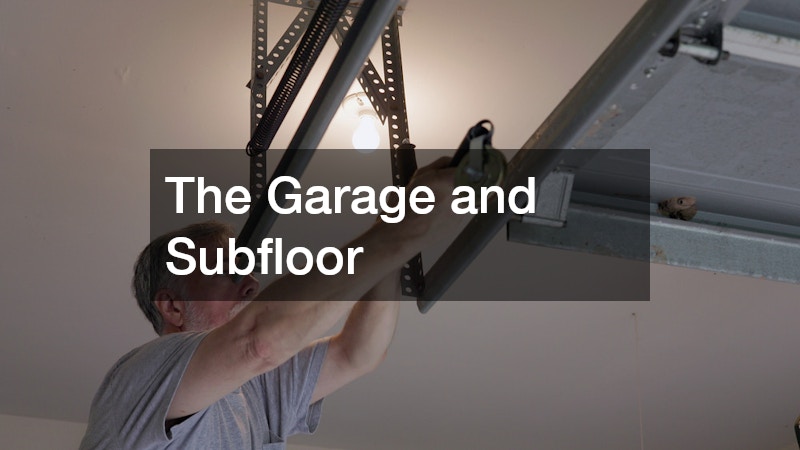
The main entry point of your garage is particularly susceptible to pooling water, especially if your driveway slopes slightly toward the house or if your neighborhood is prone to flash flooding. When wind-driven rain slams against a garage door, it runs down the panels and can easily bypass an old, cracked threshold seal. Once inside, that water ruins stored seasonal items, rusts tools, and wicks up into the adjoining interior walls. To fortify this threshold, prioritizing a comprehensive garage door repair is essential. This upgrade should go beyond simply tuning the motor; it requires replacing the bottom rubber weatherstripping with a heavy-duty U-shaped astragal seal that conforms to variations in the concrete floor. Additionally, adjusting the door opener’s travel limits ensures a tight, flush seal against the ground, effectively locking out wind-driven deluges.
Inside the garage or utility space, the concrete slab itself presents an entirely different moisture challenge. Concrete looks completely solid, but it is actually a highly porous material, full of microscopic capillaries. Ground moisture beneath the slab is constantly pulled upward via capillary action, a process known as vapor drive. If you place rubber mats, cardboard boxes, or wood directly on untreated concrete, you will often find a layer of dampness underneath them, which fosters mold growth and deteriorates the flooring.
To mitigate the unique challenges associated with porous concrete floor slabs, implement the following protective measures:
- Apply a multi-layer epoxy concrete coating to provide a seamless, impermeable shield that locks moisture beneath the surface.
- Verify that the concrete surface is thoroughly diamond-ground or acid-etched before application to ensure the coating achieves a permanent chemical bond.
- Install raised interlocking plastic floor tiles over the coating if you plan to store sensitive cardboard containers directly on the floor.
- Maintain a relative humidity level below fifty percent in the garage using an industrial dehumidifier during peak summer months.
This upgrade sequence completely eliminates vapor transmission, makes the floor incredibly easy to clean, and protects the underlying slab from freezing and cracking when winter moisture penetrates the surface.
Basements and Structural Integrity

Basements are undeniably the most high-risk zones for water damage in any residential property. Because they sit entirely or partially below grade, they are constantly surrounded by wet soil and are subject to immense hydrostatic pressure, which relentlessly forces water through foundation cracks, mortar joints, and the porous concrete itself.
To transform a vulnerable basement into a dry, secure space, you must manage this pressure before attempting any aesthetic updates. If you try to cover up a damp wall with standard insulation and framing, you are simply creating a dark, wet terrarium for mold to flourish. Therefore, before undertaking comprehensive basement remodeling services, you must prioritize interior waterproofing. This includes injecting expanding polyurethane or epoxy resins into any visible foundation cracks to seal them through the entire thickness of the wall. It also requires verifying that your sump pump system has a dedicated battery backup pump, ensuring that if a severe storm knocks out your electrical power, your basement remains actively protected against rising water tables.
Once the structural walls are sealed and the water management system is locked down, you can turn your attention to the finishing materials. Standard carpeting with thick foam padding or traditional solid hardwood flooring should never be used in a basement environment, as even a minor plumbing hiccup or a brief period of high humidity will ruin them instantly. Instead, focus your energy on highly resilient flooring installations that are explicitly rated for below-grade use.
When choosing materials to finish a below-grade space safely, prioritize the following attributes:
- Select luxury vinyl plank or engineered stone-plastic composite tile options that offer the warm look of natural wood while being completely waterproof.
- Ensure the selected flooring utilizes an advanced click-lock system that does not require water-soluble organic glues to secure it to the subfloor.
- Incorporate a dimpled plastic underlayment beneath the finished floor to allow any microscopic vapor transmission to breathe and escape toward the perimeter.
- Confirm that the flooring material is constructed entirely from inorganic compounds that cannot serve as a food source for fungal spores.
These modern materials do not absorb moisture, will not warp or cup when exposed to damp environments, and can even be uninstalled, dried, and reinstalled in the unfortunate event of a major plumbing failure.
Laundries and Utility Rooms
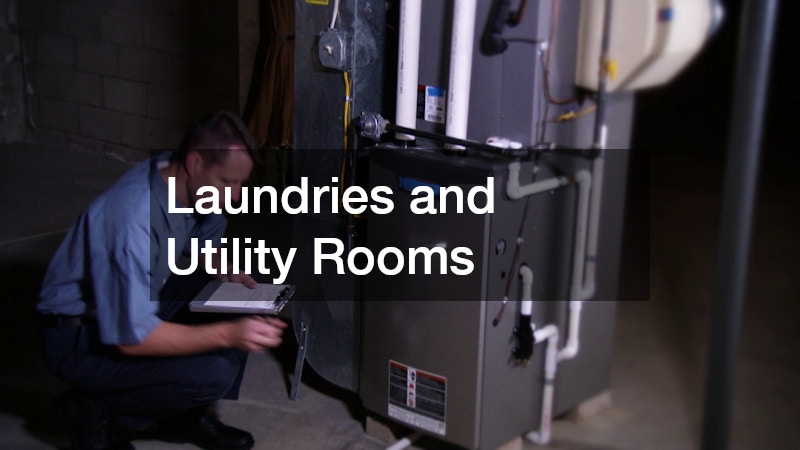
While external water is a massive threat, some of the most catastrophic floods originate entirely from within your home’s utility zones. The laundry room and main mechanical closets house high-pressure water lines and heavy appliances that operate under continuous stress, making them prime candidates for sudden, expensive failures.
The single greatest indoor flooding hazard is often sitting quietly in your utility closet. Water heaters hold dozens of gallons of pressurized hot water and are subject to internal corrosion from mineral deposits over time. When a tank fails, it rarely starts with a tiny drop; instead, the inner lining ruptures, or the temperature and pressure valve gives way, sending a continuous torrent of hot water into your home. Scheduling a timely water heater repair the moment you notice a small puddle, a rusty spot on the tank, or a weeping relief valve can prevent a total structural disaster. Upgrading this area should also involve installing a heavy-duty plastic drain pan beneath the unit routed to a floor drain, alongside an automatic shut-off valve that cuts the main water supply instantly if moisture is detected at the base of the appliance.
When utility room leaks do happen, the damage is often compounded by the building materials used in the surrounding walls. Standard drywall is essentially compressed gypsum sandwiched between sheets of paper, which acts exactly like a sponge when it comes into contact with standing water. It pulls water upward through capillary action, completely destroying the integrity of the wall and providing a perfect food source for mold spores within forty-eight hours. To minimize this risk, replacing standard wallboard with specialized drywall installations in your laundry and utility zones is a major defensive upgrade.
To maximize protection in these internal utility spaces, homeowners should implement a strict upgrade and maintenance checklist:
- Utilize moisture-resistant alternatives, often referred to as greenboard or purple board, to ensure that accidental splashes or high humidity will not cause the walls to sag.
- Replace standard rubber washing machine hoses with stainless steel braided hoses, which are highly resistant to bursting under high pressure.
- Install a localized leak detection alarm on the floor behind your washing machine and water heater to alert you to microscopic drips early.
- Ensure that floor drains are completely clear of debris and that their trap primers are functioning correctly so water can escape the home efficiently.
Kitchen Defenses
The kitchen is the undisputed energetic center of the modern household, but from a plumbing perspective, it is a complicated web of potential leak sources. Between the dishwasher, the refrigerator’s internal icemaker line, the garbage disposal, and the primary sink basin, a vast amount of water moves through this room daily, often concealed behind closed doors and dark cabinetry.
When updating a kitchen, the focus is often placed entirely on aesthetics, such as countertops and light fixtures. However, true long-term security requires dedicating a portion of your budget to the hidden infrastructure. When planning a comprehensive kitchen remodeling venture, you must insist on upgrading all hidden plumbing connections. Replacing old copper or rigid plastic lines with flexible PEX piping eliminates many of the joint fittings where leaks traditionally develop. Furthermore, replacing old multi-turn compression valves under the sink with modern quarter-turn ball valves ensures that if a line ever ruptures, you can cut the water supply instantly without needing specialized tools or wrestling with a seized, rusty valve.
The cabinetry housing these plumbing connections also deserves a significant upgrade. Standard builder-grade cabinets are usually constructed from particle board or medium-density fiberboard. When these engineered wood materials get wet from a slow sink rim leak or a dripping PEX fitting, they swell, warp, and completely lose their structural capacity, forcing a total cabinet tear-out. Upgrading to custom cabinetry built with marine-grade plywood or solid hardwood frames provides a much sturdier foundation.
To optimize your under-sink cabinetry area against hidden moisture accumulation, incorporate the following features:
- Specify marine-grade plywood cores for all sink-base cabinets to ensure structural stability during unexpected exposure to moisture.
- Line the bottom of your sink cabinet with a form-fitting, waterproof silicone tray that can catch and hold up to a gallon of leaked water.
- Install smart, Wi-Fi-enabled leak sensors directly inside the cabinet base to send immediate smartphone alerts at the first drop of water.
- Apply a coat of water-resistant polyurethane sealant to the interior cabinet joints to prevent moisture from seeping into the surrounding millwork.
Plywood can handle occasional exposure to moisture without instantly disintegrating, giving you a wider window of time to locate and fix a plumbing issue while keeping it safely isolated from the wood beneath.
Preventing water damage requires a shift in perspective. Instead of viewing home maintenance as emergency repairs after failures, successful homeowners see it as a continuous fortification process. The upgrades discussed provide a blueprint for hardening your home against its persistent enemy. By defending your property, you protect your financial investment and your family’s health. Every upgrade decreases the risk of waking up to damages like ruined floors, collapsed ceilings, or expensive mold remediation. Start prioritizing projects based on your home’s layout and vulnerabilities. Walk around your property this weekend; inspect rooflines, test shut-off valves, and examine foundation walls. By identifying minor weaknesses and investing in long-term upgrades, you ensure your home remains a dry, safe, and secure sanctuary for decades.