
There is a distinct, low-level hum of anxiety that accompanies homeownership when you know you have been ignoring your living space. It sits in the back of your mind as you fall asleep—that slightly discolored ring on the living room ceiling, the quiet hum coming from the basement floor drain, or the subtle rattle in the walls every time the air conditioning kicks on. We often tell ourselves that if something is functioning well enough for today, it can wait until tomorrow.
Eventually, tomorrow arrives in the middle of a freezing night, during a holiday weekend, or right as you are packing for a family vacation. A sudden structural breach or mechanical failure does more than just drain your savings; it completely shatters the sense of security your living environment is meant to provide. Your home transitions overnight from a refuge into a source of acute panic and chaos.
Preventative household care is rarely featured in glossy interior design magazines. It lacks the instant gratification of fresh paint, curated textiles, or high-end lighting fixtures. Yet, treating your living space as an interconnected environment that requires routine upkeep is the single most effective way to protect your long-term mental peace. By shifting your mindset from reactive panic to proactive guardianship, you transform your house into a reliable, resilient sanctuary.
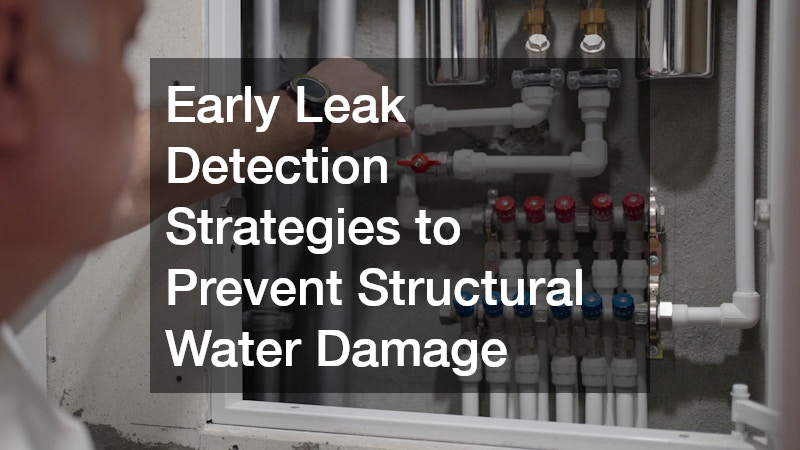
Early Leak Detection Strategies to Prevent Structural Water Damage
Recognizing the Subtle Warnings Above Your Head
Water is both a life-giving necessity and a relentless home destroyer. Long before a torrent of water pours through a light fixture during an autumn downpour, your upper structural envelope sends out subtle SOS signals. Most people wait until they see obvious interior damage before considering a complete roof replacement, but the warning signs are usually present months or years earlier.
When you step outside on a clear day, take time to look up at your eaves, flashings, and ridge lines. You do not need to climb onto a dangerous slope to perform an effective initial check; a good pair of binoculars from the lawn works wonders. Look for asphalt granules collecting in the downspouts, individual shingles that are curling at the edges, or dark streaking that indicates algae growth trapping moisture under the surface.
If you notice widespread decay, missing structural elements, or deep sagging along the ridgeline, it is time to bring in a licensed roofer for a professional assessment. Catching localized decking rot early means a simple patch can secure the structure, preventing thousands of dollars in water-damaged drywall, ruined insulation, and invasive mold remediation inside your living quarters.
Seasonal Maintenance Protocols for Ultimate Protection
To keep your primary overhead barrier in peak health, follow a consistent seasonal routine that prevents water from backing up into your interior walls:
- Clear all gutters and downspouts twice a year, specifically late in the autumn after leaves have dropped and again in early spring.
- Check the seals around soil stacks, skylights, and exhaust vents, as rubber boots degrade far faster than heavy-duty shingles.
- Trim back overhanging tree branches by at least six to eight feet to stop squirrels from accessing your attic space and to prevent wet limbs from scraping away protective granules during high winds.
- Inspect the underside of your roof deck from inside the attic every fall, searching with a flashlight for rust around nails, damp insulation, or pinpoint daylight holes.
Understanding how seasonal weather shifts affect structural components is key to long-term preservation. Freeze-thaw cycles cause water trapped under shingles to expand, which tears away structural adhesives and widens microscopic cracks. In warmer months, UV degradation slowly bakes asphalt coatings, leaving raw felt layers exposed to unexpected summer downpours. By maintaining a vigilant schedule through both seasonal extremes, you create an uncompromising defense against moisture intrusion that preserves your attic insulation, timber framing, and living spaces for decades to come.
Maintaining Clean Ventilation and Airtight Thermal Seals

Consider your home as a living, breathing entity. The way it exchanges air, holds heat, and manages interior moisture directly dictates how healthy you feel inside its walls. Drafty rooms, erratic temperature drops, and lingering indoor air pollutants force your heating and cooling equipment to work double time, spiking your monthly energy expenditures while silently draining your energy and focus.
A neglected fireplace or wood stove, for example, represents a significant safety hazard if creosote is allowed to build up along the flue walls. Booking a certified technician for a comprehensive chimney repair clears out dangerous, highly flammable deposits while ensuring carbon monoxide vents safely outside rather than seeping into your bedrooms.
Simultaneously, the glass apertures around your house play a pivotal role in retaining controlled climate conditions. Over time, rubber seals shrink, wooden frames absorb moisture and warp, and insulated glass units lose their inert gas fill. Replacing worn-out entryways and opting for a modern window replacement eliminates those cold spots that make your living room uncomfortable during winter evenings. When your thermal envelope is tight and your exhaust pathways are completely clear, your indoor climate stabilizes. You sleep better, breathe cleaner air, and stop stressing over skyrocketing utility bills.
Uncontrolled air leakage does far more than inflate heating and cooling costs; it destabilizes your whole indoor microclimate. When cold, dry outdoor air pulls through compromised window tracks, it pulls moisture out of timber framing and flooring, leading to squeaks and cracks. In humid weather, moist outdoor air invading through gaps condenses behind interior drywall, creating dark, stagnant breeding grounds for common airborne allergens that trigger chronic morning congestion.
Proactive Steps for Clean, Reliable Water Throughout Your Living Space

Imagine waking up on a frigid morning, stepping into the shower, and being greeted by an icy blast of dirty water. Or worse, coming down the stairs to find sixty gallons of scalding, rusty liquid spreading across your hardwood floors because an old holding tank finally ruptured at the base welds. Water heating systems operate under continuous pressure and intense heat cycles, making them prone to quiet deterioration that suddenly turns aggressive.
Scheduling regular water heater service stops these sudden failures in their tracks. A qualified technician will flush out heavy mineral sediment that settles at the bottom of the tank, inspect the sacrificial anode rod that stops internal corrosion, and test the pressure relief valve to ensure safe operation.
At the same time, the quality of the water flowing into your home dictates the structural lifespan of every pipe, valve, and fixture in your building. Municipal water often contains high levels of chlorine, heavy metals, and hard minerals that gradually calcify inside your infrastructure. Installing a whole house water filter serves as a master shield for your plumbing. By scrubbing harsh impurities at the main point of entry, you shield your skin and hair from harsh chemicals while extending the operational life of every water-dependent unit in the house.
Mineral buildup inside hot water appliances forms an insulating scale layer over burner assemblies and heating elements, forcing systems to run hotter and burn significantly more energy to achieve basic temperature settings. Over time, this thermal stress fractures internal protective glass linings, resulting in silent tank failure. Likewise, unfiltered harsh water steadily abrades rubber seals inside high-end fixtures, causing slow, hidden leaks beneath vanity cabinets that quietly rot floor joists long before surface stains appear.
Protecting your domestic supply lines also preserves the internal mechanisms of modern steam showers, ice makers, and sensitive water dispensers. When scale passes through unfiltered micro-valves, it causes rapid clogging and pressure drops that leave expensive fixtures completely non-functional. Investing in proper filtration turns every tap in your layout into a clean, dependable source of pure hydration.
Preventing Hidden Backup Disasters and Appliance Meltdowns

The Invisible Risk Underground
There is no household event quite as distressing as a mainline plumbing backup. Unlike a simple clogged sink, a compromised waste line brings dirty municipal effluent or blackwater right back up through your lowest floor drains, shower stalls, and toilets. Because this infrastructure lies buried beneath your lawn or basement slab, it is easy to forget it exists until disaster strikes.
Tree root intrusion, ground settling, and aging clay or cast-iron pipes are the primary culprits behind sudden pipe collapses. If you notice multiple drains running slowly, hear bubbling sounds from the toilet when the washing machine drains, or spot suspiciously lush, soggy patches of grass in your yard during dry weather, you need to address the issue immediately.
Addressing an impending sewer line repair early using modern trenchless camera inspections saves you from catastrophic indoor cleanup costs, biohazard remediation, and the psychological trauma of an uninhabited, flooded home.
Keeping Your Core Machinery Running Smoothly
Inside the house, your daily routine relies heavily on mechanical appliances that work quietly behind the scenes. From keeping fresh food preserved to cleaning family laundry, these units are the workhorses of modern living. Yet, most people run them until they break down completely.
Ignoring small warning signs usually turns a minor, low-cost fix into a full system breakdown. When an oven fails to heat properly or a refrigerator compressor begins to whine, calling a professional appliance repair service at the first sign of trouble prevents complete unit failure. Replacing a worn belt, cleaning dust-caked condenser coils, or swapping a faulty thermal sensor costs a fraction of an emergency unit replacement. More importantly, it keeps your home functioning smoothly without turning daily chores into a chaotic headache.
How Intentional Renovations Create Long-Term Functional Harmony
Blending Aesthetics with Mechanical Integrity
When homeowners think about home remodeling, they usually dream of dramatic cosmetic transformations—sleek quartz countertops, custom cabinetry, tiled showers, and open-concept floor plans. However, true wellness-focused design looks far beneath the surface aesthetics. True functional harmony is achieved when structural upgrades and utility overhauls happen side-by-side with visual improvements.
Embarking on a major kitchen remodeling project offers the perfect opportunity to audit what is hidden behind the drywall. It is the ideal moment to inspect old electrical wiring, replace aging galvanized supply lines with modern PEX tubing, upgrade low-rated insulation, and install quiet, high-efficiency ventilation fans.
If you put beautiful, expensive tile over dry-rotted subfloors or install custom cabinetry against damp exterior walls, you are simply hiding structural flaws under an expensive coverup. Design with mechanical longevity in mind, ensuring that every artistic upgrade is backed by durable, modern infrastructure.
Designing for Real-World Ease and Efficiency
To ensure your next major design project reduces daily friction rather than adding future maintenance stress, incorporate these foundational structural practices:
- Select non-porous, low-maintenance surface materials that resist staining and bacterial growth without requiring harsh chemical sealers.
- Position heavy plumbing fixtures along interior walls where possible to minimize the risk of frozen pipes during extreme cold snaps.
- Incorporate accessible utility access panels behind tubs, shower valves, and built-in appliances so future maintenance does not require breaking through finished drywall.
- Choose low-VOC paints, formaldehyde-free cabinetry, and natural flooring materials to preserve high indoor air quality during and after construction.
- Design dedicated, well-ventilated spaces for utility access, ensuring mechanical equipment can be serviced easily without moving heavy furniture or knocking down walls.
When you treat every architectural update as an opportunity to reinforce internal mechanics, you eliminate future layout headaches before they even begin. Thoughtful space planning accounts for electrical loads and plumbing access right from the starting line, allowing high-use zones to handle daily family routines effortlessly without putting undue strain on hidden utility systems.
A Sustainable Blueprint for Continuous Household Harmony
Building a peaceful, healthy, and resilient home is not an event marked by a single ribbon-cutting ceremony. It is an ongoing, mindful relationship between you and the physical environment that shelters you. When you shift your perspective from viewing house maintenance as a collection of annoying chores to treating it as an act of self-care and family protection, your entire dynamic with your living space changes.
By keeping an eye on early warning signs, respecting the lifespan of your mechanical systems, and addressing minor structural issues before they escalate, you build a sanctuary that actively protects your physical health and daily peace of mind. The financial savings are substantial, but the true reward is much greater: the priceless ability to rest easy inside your walls, knowing that your home is safe, stable, and built to withstand whatever weather lies ahead.