Every year, severe storms bring devastating winds, heavy rain, and prolonged power outages to unexpected areas. Relying on last-minute runs to the hardware store for plywood and batteries rarely offers real protection against a major weather event. True resilience requires taking action long before the first weather warning is issued.
Building a storm-ready property is about protecting your home’s structural integrity, securing critical electrical infrastructure, and maintaining safe living conditions when utility services fail. By addressing subtle vulnerabilities across your property today, you can prevent structural failures, mitigate costly water damage, and ensure your household stays safe and functional throughout the worst weather.
Fortifying the Exterior Building Envelope
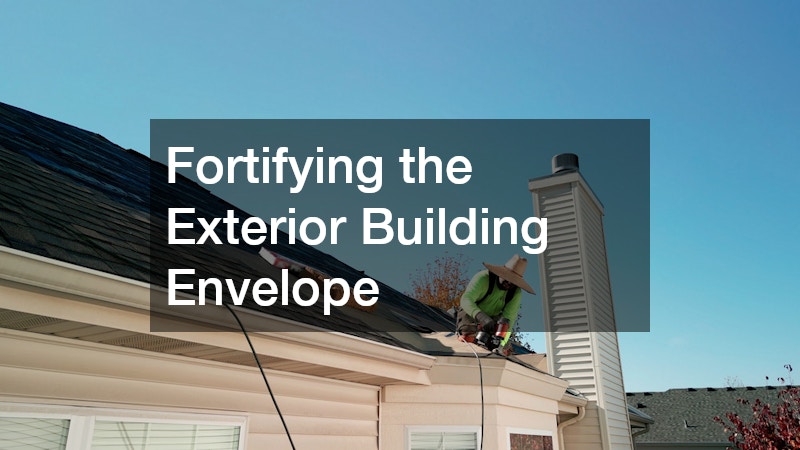
When severe weather approaches, your home’s exterior serves as the primary barrier against the elements. A single breach in the outer shell can allow destructive wind and water inside, leading to catastrophic structural damage. Preparing this exterior envelope requires a careful evaluation of how various materials perform under stress.
High winds exert immense pressure on wall surfaces, seeking out any loose or compromised materials. Over time, subtle shifting, age, and thermal expansion create small gaps behind exterior panels. During a storm, wind can drive rain behind these weak spots, rapidly rotting wood framing and destroying interior insulation. Homeowners should conduct a thorough visual inspection of every wall, looking for loose boards, cracked seams, or compromised caulking. If widespread loose cladding or rot is identified, consulting a licensed siding contractor is the most effective way to re-secure the building envelope, replace damaged sections, and ensure exterior walls are properly sealed against high-velocity rain.
Perimeter boundaries deserve equal attention during storm prep. Fences and entry points face the full brunt of incoming winds, and if they collapse, they become heavy airborne debris that can smash windows or damage vehicles.
- Walk the entire perimeter and firmly shake every fence post to check for rot or instability at the base.
- Inspect hinges, latches, and drop rods on all exterior entryways to verify they lock securely into place.
- Reinforce sagging sections with heavy-duty braces or replacement posts before severe weather hits.
- Evaluate the structural integrity of your perimeter entryways and hire professional gate installation companies if your current entry systems are unstable or lack storm-rated hardware.
Beyond individual components, evaluate how your property’s exterior elements interact as a unified barrier. Securing wall panels and perimeter entryways creates a continuous shield, significantly reducing the chance of flying debris or wind-driven water breaching your living space.
Securing Roof Runoff and Water Mitigation Systems
Water damage ranks among the most common and expensive consequences of severe storms. When torrential downpours hit, thousands of gallons of water drop onto your roof within hours. Without a functional, unobstructed drainage network, this volume of water will quickly find alternative paths into your home.
The drainage journey starts at the roofline, where gutters collect runoff and direct it into downspouts away from the foundation. When these channels become clogged with leaves, twigs, and organic debris, water backs up under the lower edge of the roofing shingles. This leads to hidden rotted fascia boards, ceiling leaks, and interior drywall damage. During intense downpours, overflowing gutters pool around the foundation, saturating the soil and increasing hydrostatic pressure against basement walls, which can lead to flooding and structural cracking.
To keep these drainage pathways clear and functional without requiring constant ladder maintenance, look into local gutter guard installations. Quality mesh or micro-mesh covers prevent leaves and debris from settling in the channels while allowing heavy rainfall to pass through freely, keeping runoff moving safely away from your home’s foundation.
Vertical structures that penetrate the roofline, such as heating flues and masonry chimneys, present another major vulnerability during severe weather. High winds create strong pressure differentials across roofs, forcing air and rain down open flues if they lack proper caps or structural seals.
- Schedule a comprehensive inspection with a professional chimney sweep to clear out internal debris, creosote, and blockages that could restrict airflow or pose a fire risk.
- Have the technician inspect the exterior masonry for hairline cracks, deteriorating mortar joints, or loose flashing along the roofline.
- Verify that the chimney cap and spark arrestor are firmly anchored to prevent wind-driven rain from penetrating the flue.
- Ensure internal dampers open and close smoothly, forming a tight seal when shut to block severe downdrafts.
Proper water management requires taking a holistic approach to your property’s drainage. By protecting both open roof channels and vertical roof penetrations, you ensure that even extreme downpours roll off your home without penetrating living spaces or destabilizing your foundation.
Hardening Household Utilities and Managing Power Loads
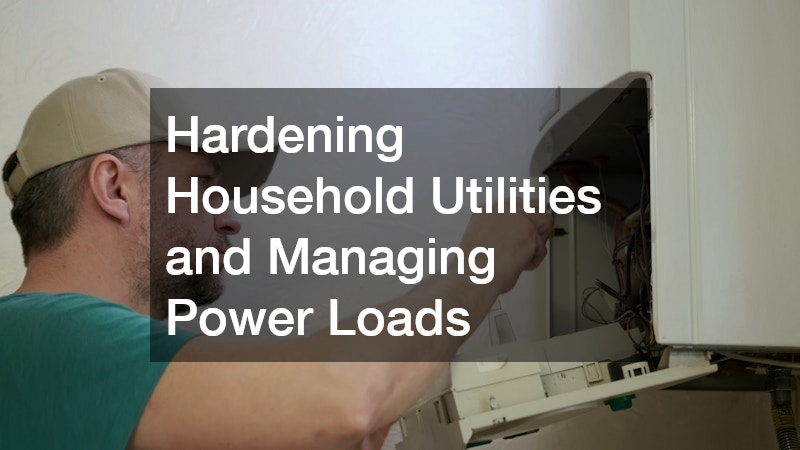
Electrical reliability is one of the biggest challenges homeowners face during a severe storm. High winds, fallen tree branches, and localized lightning strikes regularly tear down power lines, leaving neighborhoods without grid power for hours or days. Preparing your electrical system for these disruptions involves ensuring grid power operates safely under heavy loads and setting up reliable backup power solutions.
Consider the experience of a homeowner living in an older house who attempted to run a portable generator during a major summer storm. The aging electrical board was already struggling to handle the house’s baseline electrical load. When the generator was connected without proper load management, the system tripped instantly, sparking a small electrical fire and leaving the family without light or cooling during the hottest days of the year. This situation highlights why preparing your home’s electrical infrastructure is essential before severe weather hits.
An outdated electrical board with fuses or underpowered breakers poses a major safety risk when subjected to storm surges or high power demands. Modern backup solutions, such as whole-home standby generators or transfer switches for portable units, require stable, modern panel configurations. Investing in a comprehensive electrical panel upgrade increases your home’s total amperage capacity, replaces aging breakers, and creates a safe pathway for integrating emergency generator systems.
Attempting to modify or evaluate complex electrical infrastructure without proper training is dangerous. High-voltage connections, grounding systems, and emergency transfer switches require strict compliance with local building codes to ensure safety and prevent back-feeding power into the public grid, which poses severe hazards to utility line workers.
Working with a certified electrician company ensures that your entire home electrical system is audited for safety before severe weather hits. These professionals can install comprehensive surge protection, verify proper grounding, and safely install transfer switches, giving you peace of mind that your home will maintain power safely when the main grid fails.
Storm-Ready Electrical Checklist:
- Schedule an audit with a licensed electrical contractor.
- Upgrade aging electrical panels to handle backup generator loads.
- Install a whole-house surge protector to safeguard electronics.
- Test emergency transfer switches and backup power connections.
Prioritizing your electrical infrastructure protects valuable home electronics from sudden voltage spikes while ensuring your family maintains access to basic lighting, refrigeration, and safety equipment throughout extended power outages.
Maintaining Indoor Climate Control and Environmental Safety
When severe weather knocks out primary power or damages the building envelope, maintaining safe interior environmental conditions becomes an immediate challenge. Extreme heatwaves following summer storms or freezing temperatures following winter blizzards can quickly make a home uninhabitable if climate systems and essential utilities fail.
During extreme summer weather, air conditioning units run constantly to combat high heat and humidity. A system that is already struggling with low refrigerant, clogged filters, or worn electrical components is far more likely to break down when forced to run continuously during a heatwave. Arranging for a professional ac system repair prior to storm season restores optimal cooling performance, replaces worn mechanical parts, and verifies that the outdoor condenser unit is securely anchored against high winds.
Beyond cooling performance, severe storms often trigger rapid humidity spikes inside the home due to wind-driven rain or minor foundation seepage. When indoor relative humidity stays above 60 percent for extended periods, mold spores germinate rapidly, threatening wall cavity insulation, subflooring, and indoor air quality. Servicing your air handler, clearing condensation lines, and ensuring your system can handle dehumidification demands are key defenses against post-storm moisture damage.
While temperature and humidity control are essential, access to clean, safe water is equally critical during and after a storm. Severe flooding and municipal power failures can compromise municipal water treatment plants, leading to cross-contamination, high turbidity, or sudden boil-water advisories that can last for days.
During a flood event, water line pressure in municipal pipes drops, allowing external contaminants to enter the main supply. As these impurities travel toward household taps, a dedicated filtration system cleans the water at the main entry point, ensuring safe drinking water continues flowing throughout the home.
Standard pitcher filters or faucet attachments offer limited protection against widespread contamination events. Installing a robust whole house filtration system ensures that all water entering your home—whether for drinking, cooking, or sanitation—is continuously treated and filtered at the main supply line. These comprehensive systems remove sediment, heavy metals, and biological contaminants, providing a reliable source of clean water even when municipal infrastructure is compromised.
Keeping your home safe requires focusing on temperature regulation, air quality, and water purity. By ensuring your cooling system operates efficiently, managing indoor humidity, and securing a clean water supply, you protect your household from the most immediate health and safety risks during major weather events.
Automating Emergency Controls and Perimeter Visibility
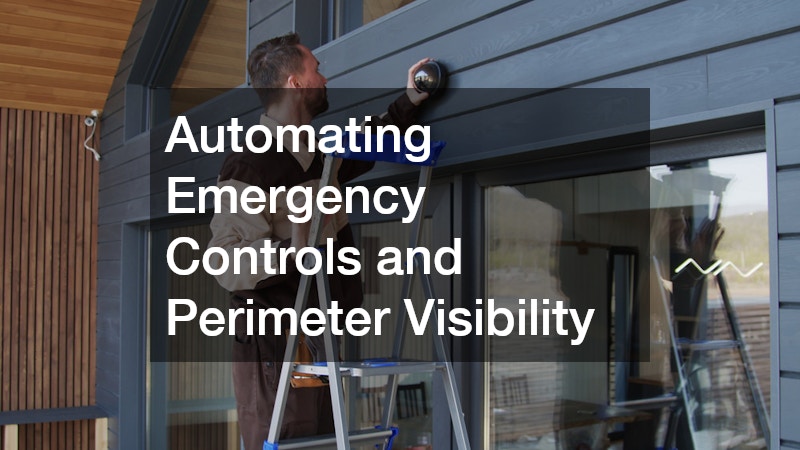
During a severe storm, events unfold quickly. High winds can knock out power in an instant, and sudden plumbing breaches can flood a basement within minutes. Relying entirely on manual intervention during a disaster leaves your home vulnerable, especially if you are away, asleep, or focused on keeping your family safe. Modern automation and smart safety systems offer a continuous line of defense.
Integrating a comprehensive home automation system allows you to remotely monitor and control your property’s critical infrastructure. Smart environmental sensors can detect sudden water leaks near water heaters or sumps, instantly alerting your smartphone and triggering automatic shut-off valves to cut off the main water line before major flooding occurs. Similarly, smart thermostats can automatically adjust settings or shut down HVAC equipment if power fluctuations threaten to damage sensitive compressors. Automated system management reduces response times from hours to seconds, preventing minor equipment issues from escalating into major home disasters.
Physical visibility around your property is another critical safety factor when power fails during a storm. Navigating a pitch-black yard littered with downed branches, standing water, or damaged structures presents significant injury risks for your family and emergency responders.
Strategic placement of durable outdoor lighting along walkways, driveways, and entry points improves nighttime safety during blackouts. Low-voltage LED systems connected to battery backups or independent solar-powered fixtures ensure that key pathways remain illuminated even when grid power is lost. Proper illumination deters trespassers during power disruptions and allows homeowners to safely assess exterior damage without navigating dangerous, unlit terrain.
Combining smart automated monitors with strategic exterior lighting creates an efficient safety network for your property. These automated systems work constantly in the background, minimizing damage from unexpected utility failures and keeping your property navigable during severe weather events.
Developing a Practical Action Strategy and Seasonal Audit
Translating storm preparedness principles into actual home security requires a clear execution strategy. Homeowners who try to complete all preparations in a single weekend often overlook critical vulnerabilities, leading to false confidence when severe weather strikes. Splitting tasks into a structured seasonal schedule ensures that every system gets proper attention well before storm warnings are active.
A practical approach involves performing a thorough physical audit every six months, ideally in late spring and early autumn. Begin by inspecting high-exposure exterior elements, moves inward to core utility systems, and finishes with smart testing and automation. Documenting existing conditions with photos and dates creates an ongoing baseline for tracking wear on your roof, siding, and perimeter boundaries over time.
- Spring Audit Focus: Examine exterior wall panels for winter movement, clear gutter channels, clear vegetation away from outdoor air conditioning units, and test battery backups on smart sensors.
- Autumn Audit Focus: Check chimney flues and dampers, clear leaf buildup from drainage pathways, inspect exterior lighting fixtures, and verify electrical transfer switch operation.
- Pre-Storm Final Pass: Secure all loose outdoor items, confirm smart water shut-off valves are active, and perform a quick test run of generator systems.
Establishing a routine seasonal protocol shifts your mindset from reactive panic to steady management. This continuous strategy ensures your home remains resilient year-round, giving you peace of mind no matter how unpredictable storm seasons become.
Long-Term Resilience Beyond the Storm
Protecting your home from severe weather is not a single weekend project; it is an ongoing strategy that combines structural updates, utility maintenance, and smart system monitoring. Taking a proactive approach to home defense eliminates the stress of last-minute prep and helps your house withstand extreme weather conditions.
Starting your preparations early allows you to work with qualified professionals, source high-quality materials, and make thoughtful upgrades on your own timeline. Fortifying wall panels, clearing drainage paths, upgrading electrical capabilities, and installing automated safety controls significantly lowers your risk of facing expensive emergency repairs.
Take a walk around your property today and identify two or three vulnerable areas to address first. Whether that means scheduling an electrical panel audit, installing protective gutter guards, or setting up smart water leak sensors, every proactive step you take helps build a safer, more resilient home for the future.