The dream of rural homeownership is built on a promise of independence, peace, and open space. Sweeping views, timbered ridges, and room to build out a self-sustaining homestead offer a quality of life that dense suburban developments simply cannot match. However, the geographic freedom that makes acreage so attractive also introduces a stark reality: self-reliance is not merely a lifestyle choice—it is an operational requirement.
When you live miles from municipal boundaries, safety takes on a completely different meaning. Suburban homeowners rely on a vast grid of publicly maintained services, rapid emergency response times, and standardized code enforcement. On a large rural property, you own your infrastructure. Your roads, water supply, power access, outbuildings, and land boundaries are entirely your responsibility. A severe storm, a fallen oak across a main drive, a failing heating system in sub-zero temperatures, or an unexpected structural failure in an old outbuilding can quickly shift from a minor inconvenience to a life-threatening crisis if you are unprepared. Call a heating oil delivery company for deliveries.
True peace of mind on acreage comes from shifting your operational mindset from reactive troubleshooting to proactive property management. It requires establishing a network of reliable trade professionals and implementing a multi-layered maintenance strategy that covers land, structures, utilities, and security. By systematically assessing hazards across your entire footprint, you build a resilient living space capable of withstanding environmental pressures and mechanical failures year-round.
Strategic Land Management and Perimeter Security
Managing large acreage requires a constant balancing act between preserving natural beauty and controlling natural hazards. Left unmanaged, wild vegetation, dead timber, and invasive animal species can compromise access roads, damage foundations, and expose your primary living spaces to catastrophic events such as wildfires and severe soil erosion. Establishing control over your perimeter is the first step in building a safe homestead.
Establishing Defensible Space and Eliminating Wildfire Hazards
Wildfire prevention is fundamentally an exercise in fuel management. Creating defensible space around your home, workshop, and critical utilities does not mean stripping the land down to bare dirt; rather, it involves strategically thinning vegetation to break the continuity of potential fuel beds.
- Zone 1 (0 to 5 feet from structures): Keep this area entirely free of flammable materials. Use non-combustible landscaping materials like gravel or river rock instead of wood mulch. Prune tree branches so they do not overhang rooflines or chimney flues.
- Zone 2 (5 to 30 feet from structures): Maintain lawns, keep native grasses mowed under four inches, and cluster trees so their canopies do not touch. Remove ladder fuels—low-hanging branches and underbrush that allow ground fires to climb into the tree canopy.
- Zone 3 (30 to 100+ feet from structures): Focus on forest health. Thin dense timber stands, clear deadfall, and clear dense underbrush along long private driveways to ensure emergency vehicles can access your property while residents evacuate safely.
When dealing with overgrown acreage, heavy brush accumulation, or old clearings overrun by invasive scrub, manual clearing with chainsaw crews is often inefficient and unsafe. Engaging a commercial land clearing service allows property owners to rapidly establish wide fuel breaks, remove hazardous dead timber, and clear heavy underbrush using specialized forestry mulchers. Forestry mulching grinds unwanted vegetation directly into the soil on site, creating a heavy protective ground cover that minimizes topsoil erosion while instantly reducing fire risk.
Mitigating Agricultural and Wildlife Threats Around the Homestead
Beyond vegetation, large rural properties face significant operational and structural threats from invasive and destructive wildlife. Wild hogs, in particular, represent one of the most destructive forces facing rural landowners today. Their rooting behavior destroys pastureland, creates deep physical hazards for cattle and vehicles, severely damages underground utility lines, and compromises the integrity of pond dams and building foundations.
Effective wildlife control requires a systematic, long-term approach rather than isolated control efforts. Property owners should combine strong perimeter fencing with active population management strategies. Setting up an automated hog trap along active travel corridors or near water sources allows landowners to capture entire sounders simultaneously. Modern systems often feature cellular-enabled drop gates, allowing property owners to monitor activity remotely via phone and trigger the capture mechanism when the maximum number of animals enters the enclosure. Controlling these populations prevents extensive landscape destruction, protects valuable livestock feed, and preserves structural soil stability around your home’s perimeter.
Aerial Assessment and Heavy Infrastructure Prep
Maintaining a large property means staying ahead of structural degradation and environmental shifts that are impossible to spot from the ground. High roof ridges, dense timber stands, steep ravines, and remote boundary lines present physical hazards during routine inspections. Utilizing modern tools and heavy equipment contractors transforms high-risk maintenance tasks into controlled, predictable operations.
Utilizing Spatial Intelligence for Hazard Mapping and Boundary Protection
Properly managing hundreds of acres, or even a tight ten-acre homestead with steep topography, requires accurate visual data. Catching a deteriorating roof structure, a rotting tree canopy hanging over a power line, or early signs of soil erosion along a creek bed before a storm hits can save tens of thousands of dollars in emergency repairs.
Relying on a professional drone mapping service provides landowners with high-resolution aerial imagery, thermal mapping, and elevation profiles of their entire acreage. These high-definition aerial surveys serve several critical safety functions:
- Pre-Storm Hazard Spotting: Aerial visual sweeps identify dead or dying tree crowns near structures, sagging power drop lines, and damaged roof shingles that cannot be seen from ground level.
- Drainage and Erosion Analysis: Topographical mapping pinpoints precise water runoff pathways during heavy rains, allowing you to install culverts, French drains, or retaining walls where topsoil washouts threaten outbuilding foundations.
- Insurance Documentation: Detailed, timestamped aerial records provide undeniable proof of property condition before major storm events, making insurance claim processing faster and far more straightforward if disaster strikes.
Safely Handling Structural Rigging and Heavy Equipment Operations
Rural ownership frequently involves moving massive, heavy objects that exceed the safe limits of farm tractors, pickup trucks, or manual winches. Attempting to move large fallen timber, install heavy backup generators, position massive fuel tanks, or clear structural debris following a storm without proper equipment accounts for a high percentage of severe homestead accidents.
By outsourcing high-tonnage lifting to experienced rigging professionals, property owners protect themselves from severe personal injury and prevent costly damage to their primary structures and equipment.
Outbuilding Maintenance and Structural Preservation
Outbuildings such as barns, machine sheds, workshops, and historical guest quarters are foundational assets on rural properties. However, because these structures are often detached from the main living quarters, subtle structural defects can easily go unnoticed until weather events cause catastrophic frame failures, roof collapses, or fire hazards.
Securing Historic Outbuildings to Prevent Structural Collapse
Legacy timber-frame barns and older agricultural outbuildings possess undeniable charm and historical value, but they present unique safety challenges. Decades of roof leaks, foundation settling, insect infestation, and heavy snow loads can weaken heavy timber posts, rot sill plates, and compromise structural mortise-and-tenon joints.
Ignoring structural decay in outbuilding frames creates severe safety hazards. A compromised barn can collapse during high-wind events or under heavy snowpacks, destroying valuable farm machinery, injuring livestock, or presenting a hazard to family members working nearby. Partnering with an experienced barn restoration company ensures that historical structures are systematically evaluated and reinforced. Professional restoration teams utilize specialized hydraulic jacking systems to level sagging frames, replace rotted post bottoms with fresh timbers, reinforce roof trusses, and secure weather-tight exterior cladding. Preserving these outbuildings not only retains property value but also turns potential safety liabilities into safe, functional, and durable storage spaces.
Preserving Architectural Glass While Improving Structural Integrity
Many historic farmhouses and estate homes feature specialized architectural elements, such as decorative leaded glass or stained glass windows in entryways, clerestories, or private chapels. While these elements are architecturally striking, aged glass assemblies are exceptionally vulnerable to severe weather, frame rot, and structural shifting.
Over time, the lead cames holding individual glass pieces together flex, oxidize, and weaken. High rural winds can push weakened leaded glass inward, breaking the seal, shattering irreplaceable panes, and allowing rain and wind to penetrate interior walls. Engaging a specialized stained glass restoration company allows property owners to secure these delicate fixtures without destroying their historical character. Restoration specialists carefully extract damaged panels, re-lead and re-solder the structural matrix, and reinstall the glass behind high-impact, UV-resistant clear protective exterior covers. This process seals the building envelope against drafts, rain intrusion, and wind damage, ensuring the window assembly can withstand extreme weather.
Modern Envelope Upgrades and Interior Security
The building envelope—comprising your roof, exterior walls, windows, and doors—is your home’s primary defense against extreme weather, thermal energy loss, and unauthorized access. On isolated rural properties, where help may be far away, strengthening this barrier is essential for both comfort and security.
Fortifying Entryways Against Weather and Unauthorized Access
Rural entryways must balance functionality with robust protection. Large patio doors and rear entryways are prime targets for thermal loss during freezing winters and extreme summer heat. Furthermore, because rural homes can be targeted due to their physical isolation, flimsy standard exterior doors with simple single-point deadbolts present a notable security vulnerability.
Upgrading primary exterior openings with custom glass doors built using heavy-duty aluminum or steel frames and multi-point locking systems offers superior structural integrity and weather resistance. Modern architectural glass solutions utilize tempered or laminated safety glass that provides exceptional impact resistance against storm-blown debris and forced entry attempts.
Climate Control Strategies for Year-Round Environmental Health
Living in an isolated area means that interior climate control is directly tied to health and safety. Extreme summer heatwaves can elevate indoor temperatures to dangerous levels, especially for elderly family members or young children, while high humidity creates ideal breeding conditions for harmful toxic black mold within wall cavities.
Ensuring your primary home cooling systems are properly sized, serviced, and backed up is critical. Relying on an expertly installed and well-maintained air conditioning system keeps indoor humidity levels under 50 percent, protecting furniture, structural timbers, and air ducts from mold proliferation. Modern high-efficiency systems also feature advanced HEPA and electrostatic filtration options that scrub fine airborne dust, agricultural allergens, and smoke from forest fires out of the indoor air space.
Critical Utility and Emergency Response Planning
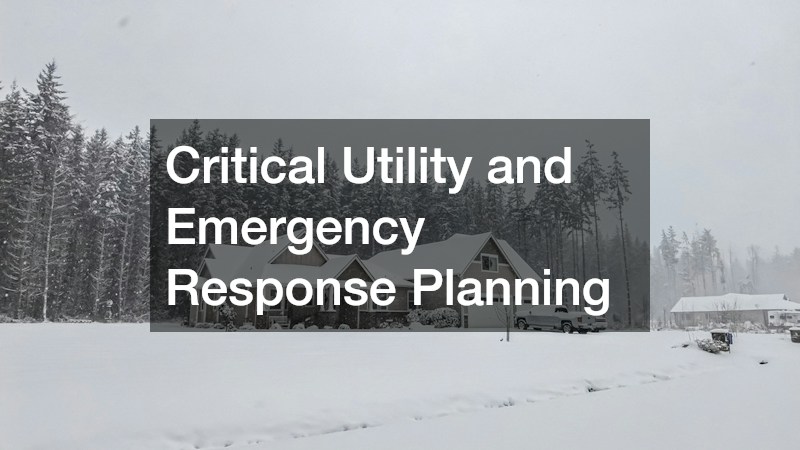
When living in a suburban housing development, a broken pipe or a loss of heat is usually solved with a quick phone call and a rapid service visit. On a rural property, service technicians may take hours—or even days during severe weather events—to reach your front gate. Preparing your utility systems for total self-sufficiency and establishing rapid-response trade partnerships is essential for home safety.
Preventing Heating Failures During Harsh Winter Isolation
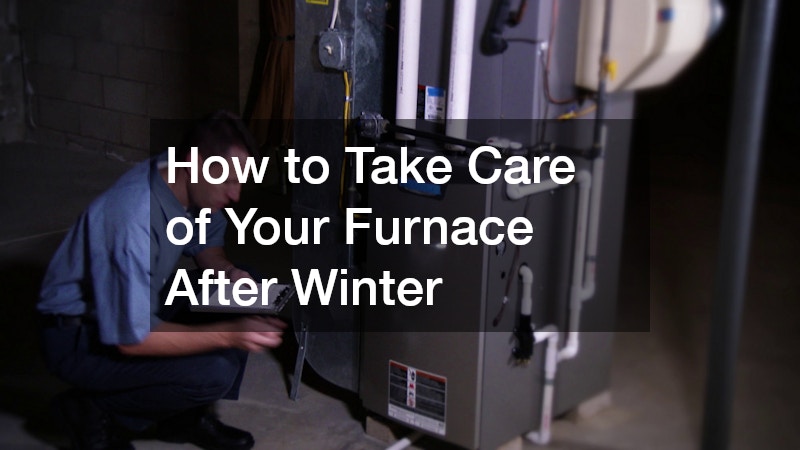
When winter blizzards or ice storms strike rural communities, overhead power lines often fail, and country roads become completely impassable due to snow drifts and fallen trees. If your home relies on delivered liquid fuels for furnace or boiler heating, running out of fuel during an extended cold snap can trigger a cascading home disaster: freeze-bursting interior pipes, severe water damage, and life-threatening hypothermia.
Keeping your fuel storage tanks at or above 50 percent capacity throughout the winter ensures that even if severe weather delays delivery trucks for a week, your family stays safe and warm.
Managing Off-Grid Plumbing Disasters and Water Line Vulnerabilities
Rural water systems are inherently complex. Most homesteads rely on private water wells, pressure tanks, complex filtration systems, and deep-buried supply lines running hundreds of feet to outbuildings, stock tanks, and living spaces. A burst main line or a sudden pressure tank failure can release thousands of gallons of water within minutes, flooding basements, washing out foundations, and burning out expensive subterranean well pumps. You may need an emergency plumber for support.
To protect your water infrastructure, conduct seasonal inspections of all exposed piping, insulate well houses thoroughly, install heat tape on vulnerable pipe runs, and test master shut-off valves twice a year to ensure they do not seize up when an emergency occurs.
Building Your Rural Property Safety Network
Complete safety on a rural property is never an accident; it is the direct result of careful planning, continuous maintenance, and strong professional partnerships. The vast freedom of acreage living comes with the operational responsibility of managing your own land, utilities, and structural assets. Trying to tackle every complex, dangerous, or specialized project yourself not only increases your risk of injury but can also lead to costly structural failures down the road. A crane service could also help with rural property safety.