Most homeowners spend years worrying about the roof, the foundation, or the paint job while the two things that touch their family’s health every single day, the air inside and the water flowing through the pipes, go completely unchecked. Poor air and water quality rarely announce themselves with a dramatic failure; instead they show up as chronic allergies, mysterious odors, higher utility bills, and slowly deteriorating fixtures and appliances. The longer these issues go unaddressed, the more expensive they become to fix, and the more they quietly erode both your health and your home’s value. This article breaks down where these hidden costs come from and what practical steps you can take to catch them early.
Contaminated Well Water and Its Long-Term Effects
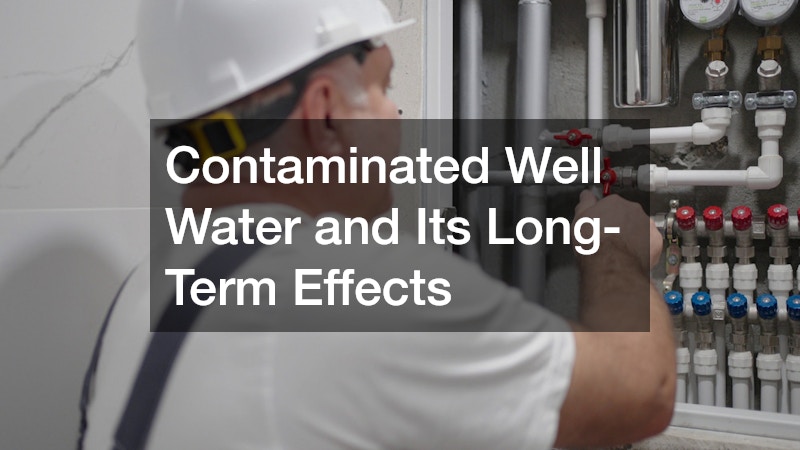
Homes that rely on private wells face a unique set of water quality risks that municipal water customers rarely think about, including bacteria, nitrates, iron, and sediment that can build up over time. Without regular testing, these contaminants can go unnoticed for years while quietly staining fixtures, damaging appliances, and posing real health risks to anyone drinking the water. A failing or outdated pump only makes the problem worse, since inconsistent pressure can allow contaminants to be drawn into the system more easily.
Many homeowners wait until water pressure drops dramatically or the water turns visibly discolored before taking action, but by then the damage is often already done to pipes and water heaters. Scheduling professional water well pump installation before an old unit fails completely can prevent sudden water loss and reduce the risk of contamination getting worse. Pairing that with annual water testing gives you a much clearer picture of what is actually flowing through your home.
- Test well water annually for bacteria, nitrates, and heavy metals
- Watch for changes in taste, smell, or color as early warning signs
- Replace aging pumps before they fail during peak usage periods
- Keep well caps and casings sealed to prevent surface contamination
Poor Indoor Air Circulation and Its Impact on Comfort
Indoor air quality problems often start with a heating and cooling system that is either too old, poorly maintained, or simply not sized correctly for the home. When air does not circulate properly, dust, pollen, humidity, and even mold spores can accumulate in stagnant pockets throughout the house. Over time, this can trigger allergies, worsen asthma symptoms, and make rooms feel stuffy or uncomfortable no matter how the thermostat is set.
Upgrading to a properly sized system through professional air conditioning installation does more than cool the house; it also improves filtration and humidity control, which directly affects the air you and your family breathe. A unit that is too small will run constantly and struggle to filter air effectively, while one that is too large will cycle on and off too quickly to properly dehumidify. Getting the sizing and installation right from the start saves money on energy bills and reduces strain on the system for years to come.
- Replace HVAC filters every one to three months
- Schedule professional duct cleaning every few years
- Monitor indoor humidity levels to stay between 30 and 50 percent
- Consider a whole-home dehumidifier in especially humid climates
Outdated Electrical Systems and Fire Hazards

While electrical problems are not directly tied to air or water quality, they often go hand in hand with the same neglect that allows other home systems to deteriorate unnoticed. Older wiring can struggle to support modern HVAC systems, water treatment equipment, and well pumps, creating a hidden safety risk that only becomes obvious when something fails. Overloaded circuits and outdated panels are a leading cause of house fires, and they can also cause expensive equipment like air handlers or pumps to run inefficiently or fail prematurely.
If you are adding new water treatment equipment, a bigger HVAC unit, or a well pump that requires more power, it is worth having a licensed electrician evaluate your panel before the new equipment goes in. Professional electrical installation ensures that new appliances receive stable, adequate power without overloading circuits designed for a much older, less demanding home. This kind of upfront planning prevents nuisance breaker trips and reduces long-term wear on expensive equipment.
- Have your electrical panel inspected every 10 to 15 years
- Upgrade wiring before installing high-demand appliances
- Watch for flickering lights or warm outlets as warning signs
- Install GFCI outlets in kitchens, bathrooms, and outdoor areas
Mold Growth Behind Stucco and Exterior Walls
Exterior wall systems play a bigger role in indoor air quality than most homeowners realize, especially in climates with heavy rain or humidity. When exterior finishes are not applied correctly, moisture can seep behind the surface and become trapped against the sheathing, creating a perfect environment for mold and mildew to grow undetected. This hidden moisture problem often goes unnoticed until it starts affecting indoor air quality or causing visible damage inside the home.
Proper stucco installation includes correct flashing, weep screeds, and moisture barriers that keep water from penetrating the wall assembly in the first place. Homes with older or improperly installed stucco are especially prone to trapped moisture, which can lead to musty odors and elevated indoor humidity even when the HVAC system is working perfectly. Addressing these issues at the source is far more effective than simply treating the symptoms with air purifiers or dehumidifiers.
- Inspect stucco annually for cracks, staining, or bubbling
- Ensure proper flashing around windows and doors
- Address any musty odors near exterior walls promptly
- Keep sprinklers and landscaping from spraying directly onto walls
Standing Water and Drainage Problems in the Yard
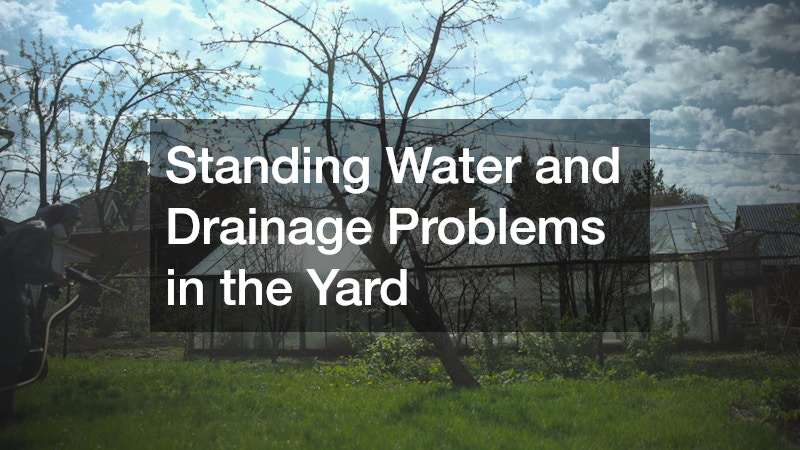
Poor drainage around a home does more than create muddy patches in the yard; it can also lead to water pooling near the foundation, which increases humidity in crawl spaces and basements. This excess moisture often finds its way indoors, contributing to musty smells, higher indoor humidity, and conditions that encourage mold growth. Left unaddressed, standing water can also attract mosquitoes and other pests that bring their own health concerns.
Hardscaping choices can play a surprising role in managing water flow around the home, particularly when it comes to patios, walkways, and driveways. Working with an experienced paver installation contractor ensures that surfaces are graded properly and include adequate drainage channels, preventing water from collecting near the foundation. This kind of thoughtful design keeps water moving away from the home instead of pooling where it can cause long-term damage.
- Grade soil away from the foundation at a gentle slope
- Install French drains in areas prone to pooling
- Clean gutters and downspouts regularly to direct water properly
- Choose permeable paving materials where drainage is a concern
Chlorinated Pool Water and Its Effect on Nearby Air Quality
Homeowners with backyard pools often overlook how much chlorine and other chemical byproducts can affect air quality, particularly in enclosed patios or homes with poor ventilation near the pool area. Chloramines, which form when chlorine reacts with sweat, oils, and debris, can irritate eyes, skin, and lungs when they linger in the air. This is especially noticeable in homes where the pool sits close to windows or covered outdoor living spaces.
Choosing a well-planned residential pool installation from the start can help minimize these issues by incorporating proper filtration, circulation, and ventilation considerations into the design. A pool with outdated or undersized equipment struggles to keep chemical levels balanced, which increases the likelihood of strong chemical odors drifting into the home. Regular water testing and proper chemical dosing go a long way toward keeping both the pool and the surrounding air comfortable.
- Test pool water chemistry at least twice a week
- Keep pool equipment updated and properly sized
- Improve airflow near covered patios adjacent to the pool
- Shower before swimming to reduce chloramine formation
Weather Preparedness and Safe Air Quality During Storms

Severe weather does not just threaten a home’s structure; it can also create serious air and water quality problems during and after a storm. Power outages can shut down water treatment systems and HVAC units for extended periods, while flooding can introduce contaminants into well water and crawl spaces. Families sheltering during a storm also need clean, breathable air in a space that may not have active ventilation.
This is where thoughtful storm shelter installations can make a meaningful difference, particularly when they include basic ventilation and are positioned away from areas prone to flooding. A shelter that traps stagnant air or sits in a low-lying spot can create its own air quality problems during an already stressful situation. Planning ahead for both physical safety and air quality during severe weather events is a step many homeowners overlook until it is too late.
- Store emergency water supplies away from chemical storage
- Choose shelter locations with basic ventilation in mind
- Keep a battery-powered air quality monitor on hand
- Have a plan for retesting well water after any flooding event
Outdoor Living Spaces That Trap Moisture and Debris
Decks, porches, and covered patios are meant to extend a home’s living space outdoors, but when built or maintained poorly, they can trap moisture underneath and become a source of mold, mildew, and pest activity. Wood decking that is not properly sealed or spaced can hold onto rainwater, creating damp conditions that eventually affect air quality in nearby rooms, especially walkout basements. Debris buildup between boards only makes the problem worse by holding moisture against the structure longer.
A well-planned deck installation includes proper spacing, drainage, and ventilation underneath the structure to prevent moisture from becoming trapped against the house. Materials matter too, since composite decking tends to resist moisture better than untreated wood, though both require some level of ongoing maintenance. Keeping the area underneath a deck clear of leaves and debris is a simple habit that prevents a lot of long-term moisture issues.
- Clean debris from under and between deck boards regularly
- Ensure proper spacing for drainage and airflow
- Reseal wood decking every one to two years
- Inspect ledger boards for signs of trapped moisture
Shade Structures That Reduce Indoor Heat and Humidity
The amount of direct sunlight hitting windows and patio doors has a bigger impact on indoor temperature and humidity than most homeowners realize. Excess heat gain forces HVAC systems to work harder, which can lead to inconsistent humidity control and higher energy costs throughout the warmer months. Over time, this added strain can shorten the lifespan of cooling equipment and make indoor air feel stuffier despite regular maintenance.
Adding shade through professional awning installation services over windows, patios, or entryways can meaningfully reduce heat gain and ease the load on an HVAC system. This is a particularly useful solution for homes with large west-facing windows that receive intense afternoon sun. Retractable awnings offer added flexibility, allowing homeowners to adjust shade coverage based on the season and reduce indoor temperature swings.
- Focus shade solutions on west and south-facing windows
- Choose retractable options for seasonal flexibility
- Combine awnings with reflective window film for added efficiency
- Clean awning fabric regularly to prevent mold growth
Landscaping Choices That Affect Allergens and Water Use
The plants and ground cover surrounding a home play a bigger role in air quality and water conservation than many people consider. Natural grass requires regular watering and mowing, both of which can stir up pollen, mold spores, and allergens that eventually make their way indoors through open windows and doors. Overwatering lawns can also contribute to the same drainage and moisture issues that affect foundations and crawl spaces.
For homeowners looking to reduce allergens and water usage at the same time, artificial grass installation has become an increasingly popular option, particularly in drought-prone regions. Synthetic turf eliminates the need for pesticides and fertilizers that can affect both air and runoff water quality, while also cutting down on mowing-related allergens. It is not the right fit for every yard, but it is worth considering as part of a broader plan to improve the health of a home’s surrounding environment.
- Reduce pesticide and fertilizer use to protect runoff water quality
- Choose drought-tolerant plants to reduce overwatering
- Consider synthetic turf in high-traffic or drought-prone areas
- Keep gutters and drains clear of grass clippings and debris
Air and water quality issues rarely show up as a single obvious problem; instead, they build slowly through small oversights in the systems and structures surrounding your home. Addressing these issues one section at a time, from the well pump to the roofline to the yard, can prevent much larger and more expensive repairs down the road. Start with a simple walkthrough of your home’s major systems, take note of anything that seems overdue for attention, and prioritize the fixes that most directly affect your family’s daily health and comfort. Taking these steps now is far less costly than waiting for a health issue or a major system failure to force the conversation.